
TUI Wildlife Mexico
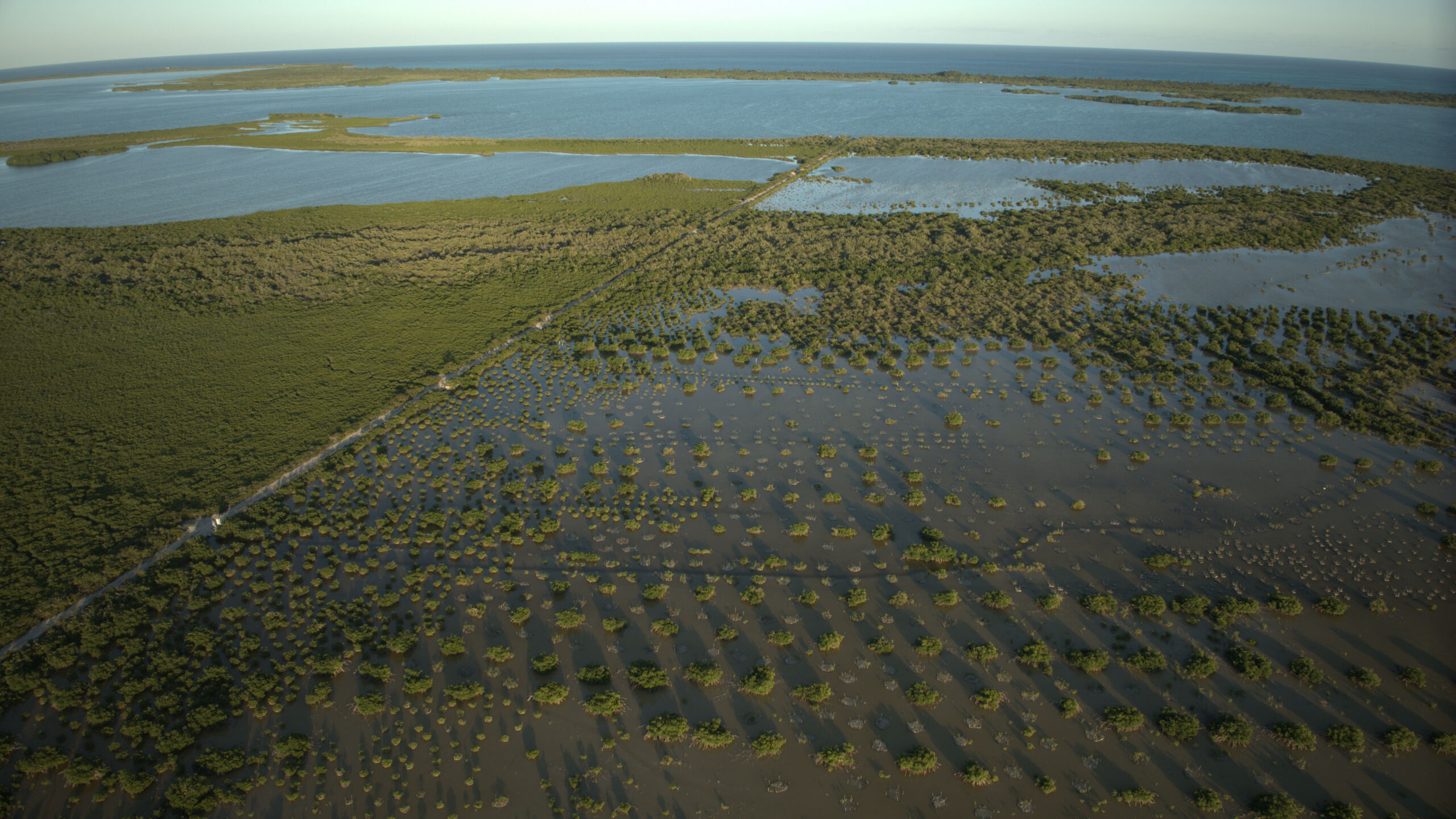
The Sian Ka’an Biosphere Reserve in Mexico’s Yucatán Peninsula is a UNESCO World Heritage Site. Its critical ecosystem, which is part of the Maya Ka’an tourist destination, faces unprecedented threats from rapid tourism development and infrastructure expansion. Infrastructure megaprojects are fragmenting habitats and threatening endangered species including jaguars, ocelots, manatees, sea turtles, and crocodiles. Wildlife collisions have reached alarming levels, with the Cancun-Tulum highway recording Mexico’s highest jaguar mortality rate. Alongside this, unregulated marine navigation causes frequent collisions with aquatic wildlife, and limited environmental awareness amongst communities and visitors exacerbates conservation challenges.
TUI Wildlife Mexico responds to these challenges through a comprehensive two-year initiative to safeguard biodiversity whilst supporting local livelihoods. The project combines best practices in ecosystem restoration, community-based wildlife monitoring, environmental education, and sustainable tourism. It restores 70 hectares of mangroves, establishes wildlife monitoring networks, training communities and tourism operators, and develops conservation guidelines. It creates a replicable model for balancing conservation with sustainable tourism development in one of Mexico’s most biodiverse regions.
The Sian Ka’an Biosphere Reserve is at a turning point, as rapid tourism growth and urban development increasingly threaten its natural environment. Infrastructure megaprojects, including the Mayan Train, Tulum Airport and major highways, have fragmented habitats, disrupted ecological corridors and placed severe pressure on endangered species such as jaguars, ocelots, manatees, sea turtles and migratory birds. The Cancun–Tulum highway records the highest jaguar mortality in Mexico, with 13 deaths between 2019 and 2024, while unregulated boat traffic causes frequent collisions with aquatic wildlife and disrupts bird nesting and feeding cycles.
Illegal hunting and fishing persist due to limited enforcement capacity, low environmental awareness and a lack of sustainable livelihood alternatives for local marginalised communities. Mangrove ecosystems have also been heavily impacted: over 500 hectares were lost at El Playón following poorly planned road construction, and damaged sites such as Vigía Chico now require urgent restoration.
Responding to these challenges, the TUI Care Foundation is delivering an integrated conservation programme focused on ecosystem restoration, wildlife monitoring, environmental education and sustainable tourism practices.
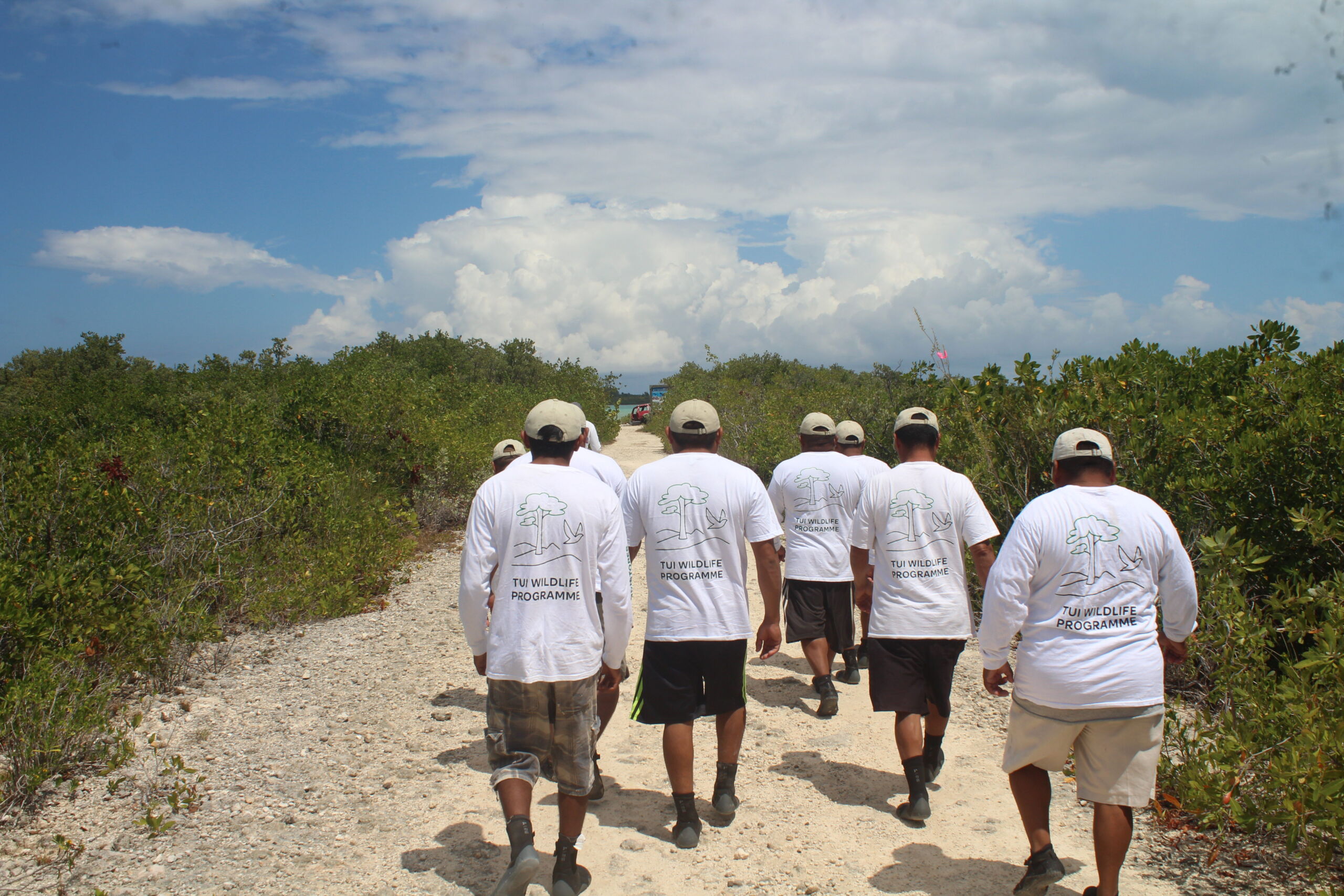
The project restores 70 hectares of mangroves through hydrological rehabilitation and reforestation, led by a trained community brigade from the Mayan community of Xhazil‑Sur. It establishes community‑based wildlife monitoring networks using camera traps and field observations to track priority species and reduce human–wildlife conflict. Environmental education activities reach 250 students and 150 cooperative members across six Maya Ka’an communities, promoting conservation awareness and community stewardship.
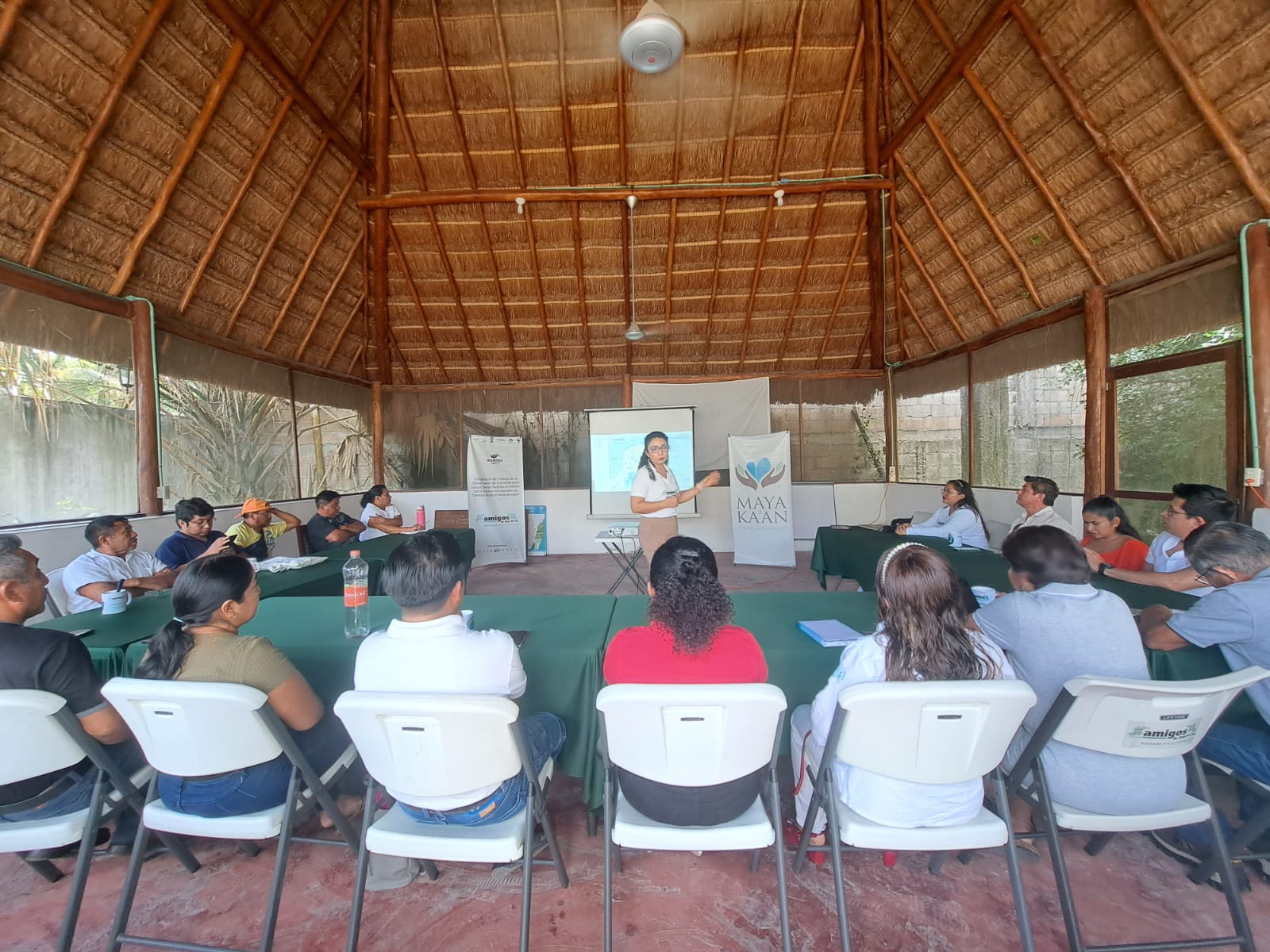
To reduce tourism‑related impacts, the project develops a Wildlife Care in Tourism Activities Manual and delivers training to tourism and fishing cooperatives, supported by targeted signage in high‑risk areas. Overall, the initiative benefits more than 400 community members, creates and sustains 10 local jobs, and engages over 90,000 visitors through responsible, nature‑based tourism – positioning Maya Ka’an as a blueprint for replicable conservation‑led development.
Project Partner
Amigos de Sian Ka’an (ASK) is a civil society organisation, founded in response to the need to protect and conserve the Sian Ka’an Biosphere Reserve. From its inception, the organisation was conceived as a bridge between science, civil society, the private sector, government, and local communities, with the goal of generating comprehensive solutions to the region’s environmental challenges. ASK’s mission is to conserve the integrity and functionality of the ecosystems of the Yucatán Peninsula, while promoting the socioeconomic development of its communities and influencing culture and environmental policies through science.
Pro Conservación Peninsular (PCP) is a civil association that collaborates with Amigos de Sian Ka’an based on an agreement for the use of a trademark.