

TUI Wildlife Cambodia
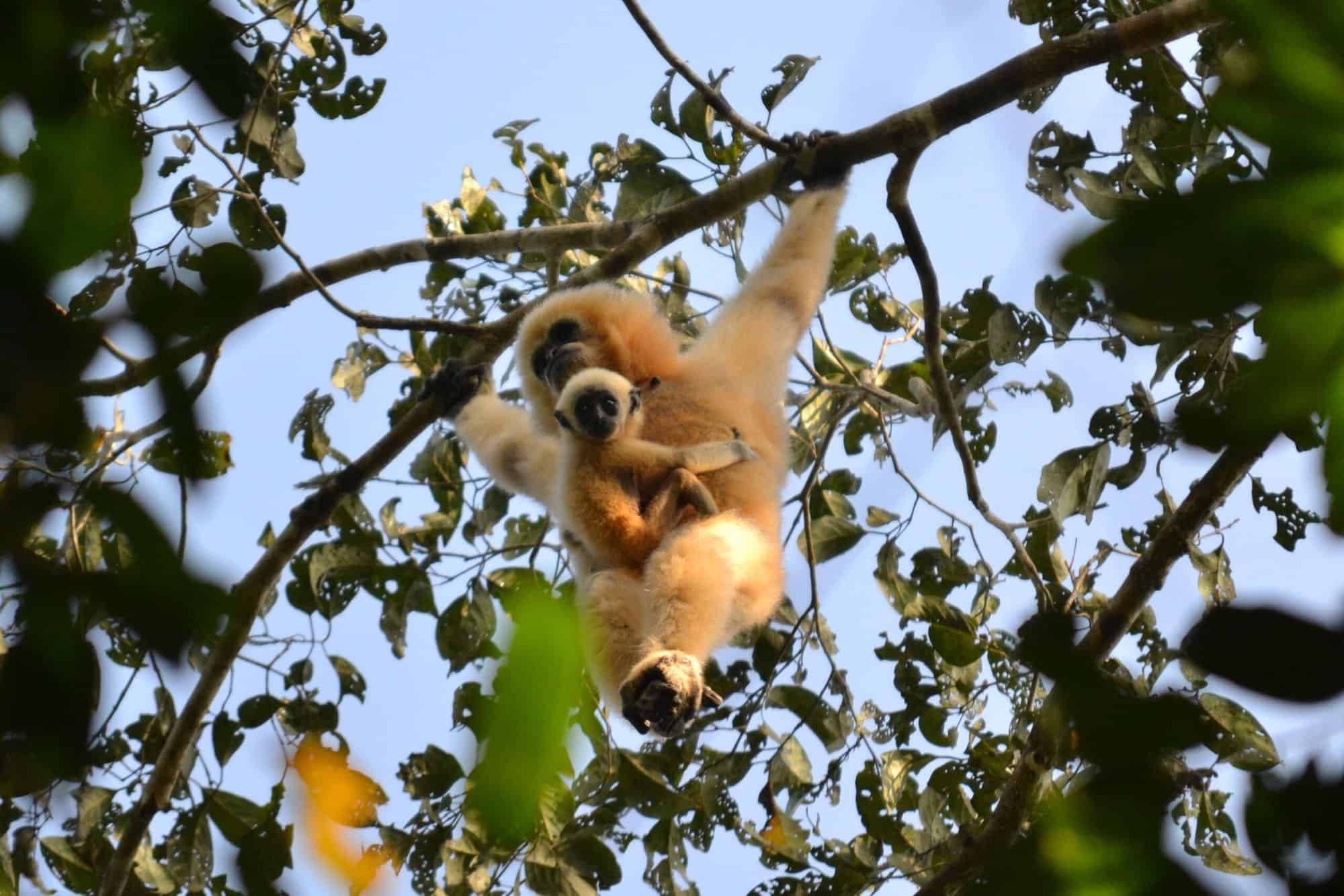
In northeast Cambodia, Veun Sai Siem Pang National Park is a biodiversity hotspot with lush forests and rare wildlife like the endangered yellow-cheeked crested gibbon. But this unique habitat faces severe threats – particularly illegal forest conversion into agricultural land, mainly driven by poverty and weak or unclear governance structures. The park’s rich biodiversity is at risk as these unsustainable practices lead to significant habitat loss.
TUI Wildlife Cambodia tackles the root causes of deforestation and degradation to secure critical habitats for different species. The project combines conservation efforts and livelihood development through the improvement of gibbon-based tourism and strengthening governance structures.
Veun Sai Siem Pang National Park has been identified as a critical site for gibbon conservation, particularly for the northern yellow-cheeked crested gibbon. Limited income opportunities and market access compel local communities to engage in unsustainable natural resource exploitation within the park, such as logging, hunting and clearing forests for agriculture. Weak governance is another critical driver of environmental degradation in the National Park. The park is remote and there is a small yet growing tourism sector with the potential to attract more eco-tourism visitors.
To safeguard this area the project adopts a dual approach. It creates sustainable livelihood opportunities for the local population through improved eco-tourism, and focuses on actively involving local communities in conservation efforts, to reinforce protected area governance.
To ensure the protection of six endangered and five critically endangered species and conserve 500 hectares of forest, the project conducts targeted biodiversity surveys, deploying camera traps and mapping key biodiversity areas. It incorporates these areas into ranger patrols and integrates them into conservation plans, in collaboration with the local authorities.
Despite its remote location, the park’s unique appeal presents an opportunity to grow as a premier ecotourism destination. To improve ecotourism activities, increase visitor numbers and create jobs, the project works with tour operators to assess areas for eco-tourism potential and create new itineraries for additional sites of interest within the region. It improves visitor trails and identifies new observation points. To ensure improved visitor experience, and educate guests about conservation and wildlife, informative signs are installed throughout the locations.
A series of community reach programmes educates 300 residents about the local ecosystem, the importance of nature conservation and benefits of eco-tourism. Local stakeholders receive training on the maintenance and upkeep of trails and facilities. In addition, guides are trained in conservation, biodiversity and the principles of sustainable tourism.
By implementing these strategies, the project aims to secure critical habitats for threatened species, while ensuring that local communities benefit from conservation.



Project Partner
IUCN Save Our Species supports science-based conservation action on the ground that saves threatened species from extinction. It focuses efforts where they will have the biggest impact, by providing funding to frontline conservation organisations who have unique knowledge of their region and their local biodiversity across the world
All IUCN Save Our Species projects not only aim to safeguard threatened species, but also to preserve their habitats, and improve the livelihoods of the people who depend on them. They also tackle urgent issues such as climate change, poverty, and food and water security, contributing to the Sustainable Development Goals.