


TUI Forest Tanzania
On Tanzania’s north-eastern coast, Saadani National Park brings together savannah, beaches, the Wami River and coastal mangrove forests. This distinctive landscape supports wildlife, biodiversity, nearby communities and a growing tourism economy. With limited access to other reliable income sources, families in and around the park are often still dependent on these natural resources. However, parts of the mangrove ecosystem have been degraded by climate impacts and the harvesting of wood for fuel, charcoal, construction.
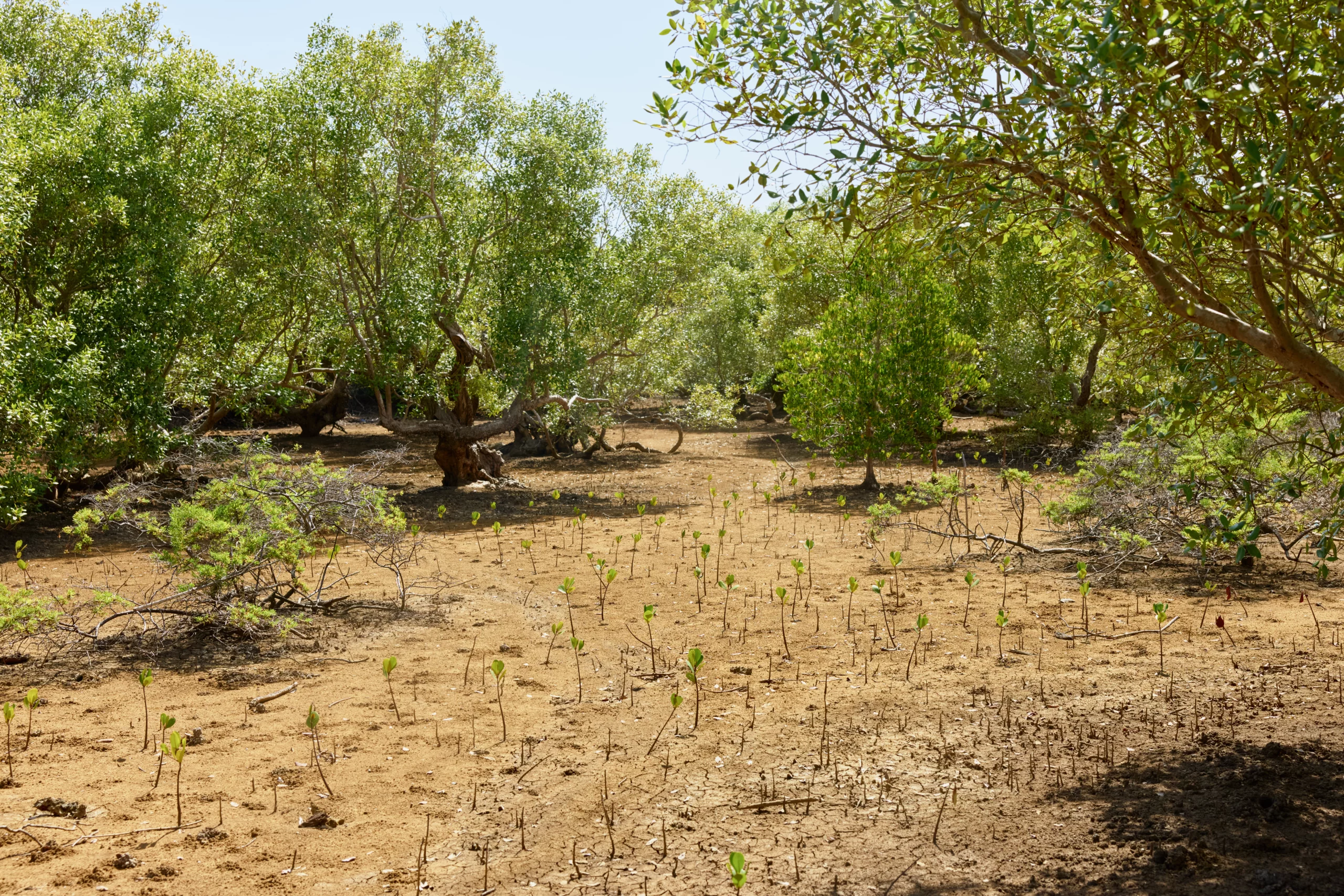
TUI Forest Tanzania restores degraded mangrove areas whilst creating livelihoods linked to conservation and tourism. Across two planned phases, the project plants up to two million native mangrove trees and restores up to two million square metres of habitat. It empowers local people through employment, practical skills and new income opportunities that reduce dependence on mangrove extraction. It also supports visitor experiences that help people discover the importance of mangroves.
Saadani National Park lies near Tanga on Tanzania’s mainland coast. Its mangrove swamps, salt pans and estuarine habitats sit alongside savannah and Indian Ocean beaches. The combination gives visitors opportunities to experience terrestrial, coastal and marine environments within one protected landscape. The park also provides habitat for threatened wildlife and supports communities whose livelihoods include fishing, small-scale trade and park-related employment.
Mangroves are central to this landscape. They provide breeding and nursery areas for fish and other aquatic life, stabilise shorelines and help reduce exposure to erosion and storm surges. Yet communities in remote settlements around the park have limited access to alternative energy sources and dependable income. Mangrove wood is consequently harvested for fuel, charcoal and building materials. Over time, this places pressure on the ecosystem that local people, wildlife and tourism all depend on.
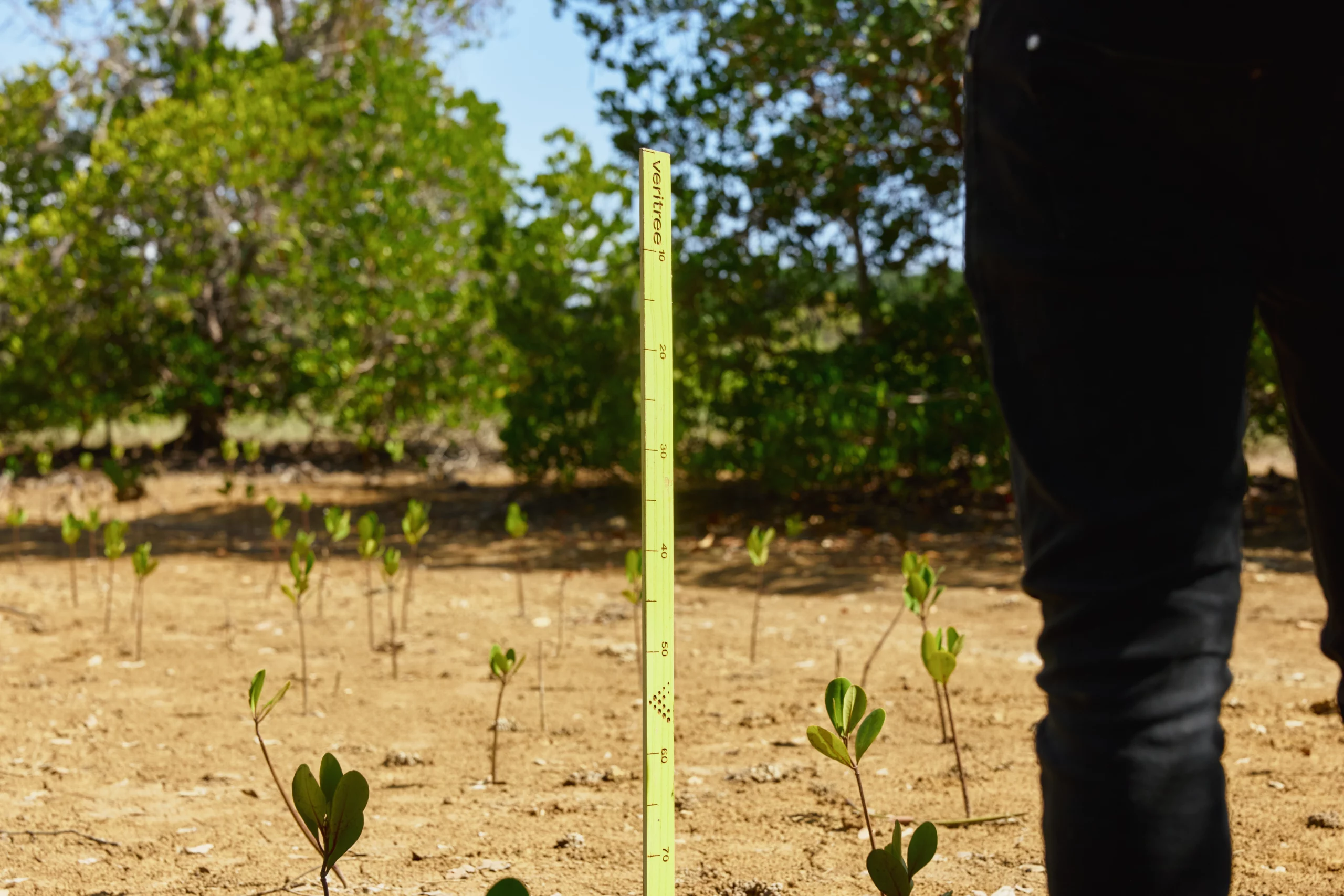
TUI Forest Tanzania restores two million square metres of degraded mangrove habitat across two phases. The project plants two million native mangrove trees, with one million trees and one million square metres restored in each phase. Half of the trees grow in on-site nurseries, and the other half are planted directly as propagules. Local teams collect propagules, manage nurseries, prepare planting areas and plant trees suited to the local soil and tidal conditions. The project supports 37 jobs, including 20 tree planters, 10 nursery workers and additional technical and coordination roles. It also trains all 37 staff members in planting and conservation. Approximately 70% of the local planting workforce are women. Through conservation-based employment, people who previously relied on logging can earn income from restoring and protecting the forest.
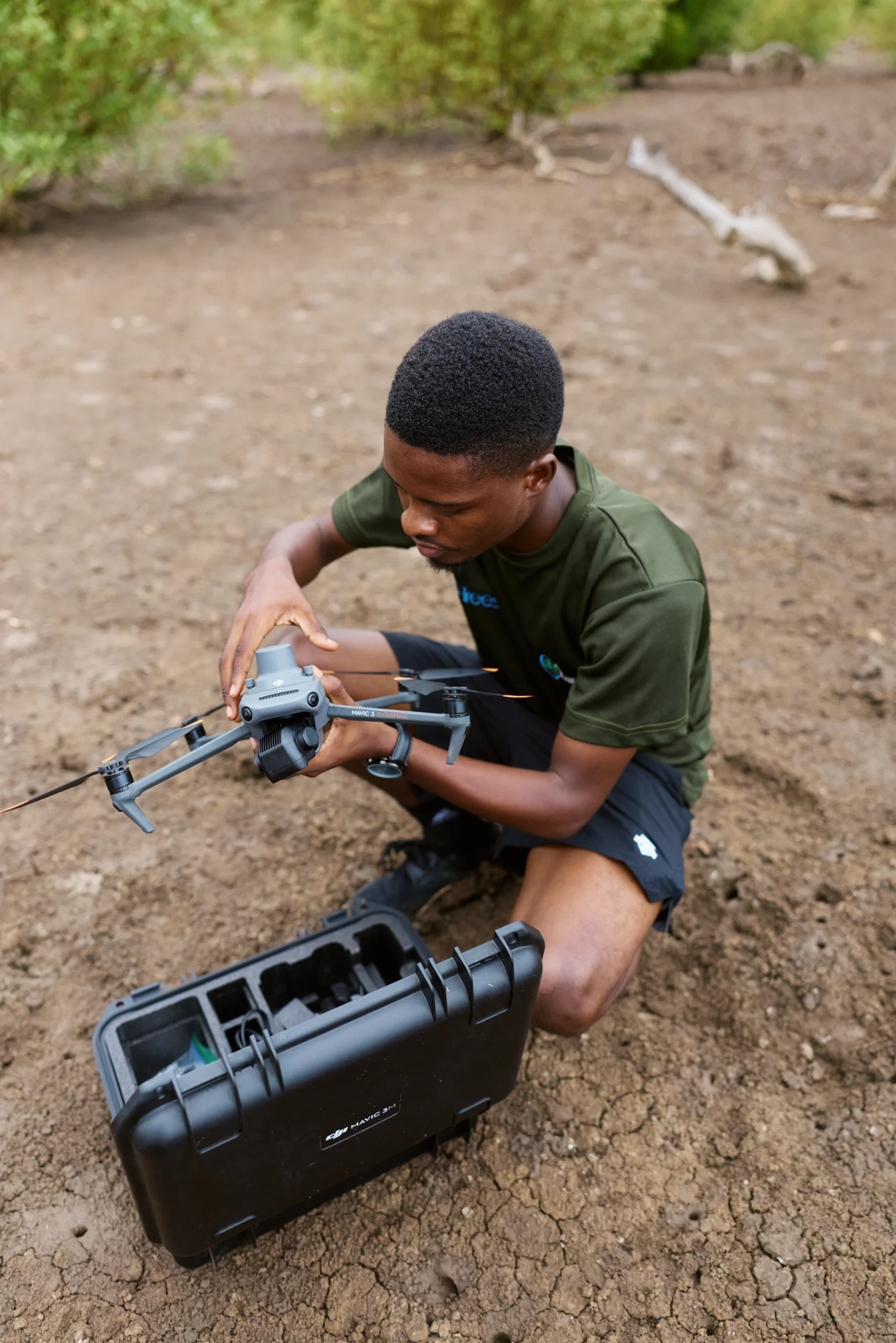
TUI Forest Tanzania monitors tree survival, growth and forest health after planting. Surveys take place after three, six, 12, 24 and 36 months, with an expected survival rate of 80%. Alongside restoration, the project works with communities and park authorities to support the protection of three threatened species: the Masai giraffe, the critically endangered white-thighed colobus monkey and the vulnerable black colobus monkey. It also develops tourism links through guided boat tours and a mangrove boardwalk with information in English and Swahili.
Across both phases, the project establishes four tourism-sector partnerships, supports two tourism experiences and reaches 1,500 participants, including 1,000 international and 500 domestic visitors. These experiences give visitors access to the restoration area while creating opportunities for guides, artisans, food vendors and other nearby businesses.
It combines ecological restoration with local economic opportunities so that conservation continues beyond the planting period. Paid employment gives community members a direct reason to protect restored areas. Tourism experiences and walking paths connect healthy mangrove forests with potential income for local guides, accommodation providers, artisans and small businesses. Long-term monitoring tracks whether the restored forests survive and develop, whilst community meetings and coordination with public authorities strengthen local stewardship.
By linking forest protection, verified restoration, employment and tourism, TUI Forest Tanzania addresses both mangrove degradation and the economic pressures behind it. This creates a practical basis for lasting coastal resilience and community-led protection of Saadani’s mangrove landscape.
Project Partner
The veritree Foundation is a public charity established in the United States and founded on a simple principle: restoration, philanthropy should be guided by the same rigor, proof, and transparency that define the most trusted charitable work.
Our mission is to support restoration projects where community leadership and ecological expertise come together to restore forests, coastlines, and other vital ecosystems. We welcome gifts from donors who seek more than a donation receipt, and like us, believe in proof and tangible impact.