

TUI Forest Madagascar
Madagascar is home to unique ecosystems that support biodiversity, local livelihoods and climate resilience. However, increasing pressure on natural resources, combined with poverty and unsustainable land use practices, threatens many of these fragile landscapes. Protecting and restoring forests whilst supporting local communities to develop sustainable livelihoods is therefore essential to safeguard the country’s natural heritage and ensure long-term socio-economic resilience.
TUI Forest Madagascar combines ecosystem restoration, community-led governance and sustainable livelihood development to contribute to the long-term conservation of Madagascar’s unique forest landscapes, whilst also improving economic opportunities for the communities who depend on them.
The endemic Tapia forests of Madagascar face significant threats. Deforestation driven by unsustainable agricultural practices, growing demand for wood energy and weak governance structures have resulted in the rapid degradation of these endemic ecosystems. The forests play a vital role in regulating water cycles, preventing soil erosion and providing essential resources such as fruits, mushrooms, silk and firewood to thousands of households. Their disappearance would have severe consequences for both biodiversity and the livelihoods of local communities.
TUI Forest Madagascar focuses on strengthening the long-term protection and sustainable management of these ecosystems by supporting the legal establishment and effective governance of two Community Protected Areas covering more than three million square metres of forest habitat. By consolidating community-led governance structures and strengthening collaboration with local authorities, the project will ensure that the protection of Tapia forests is anchored in strong local institutions.
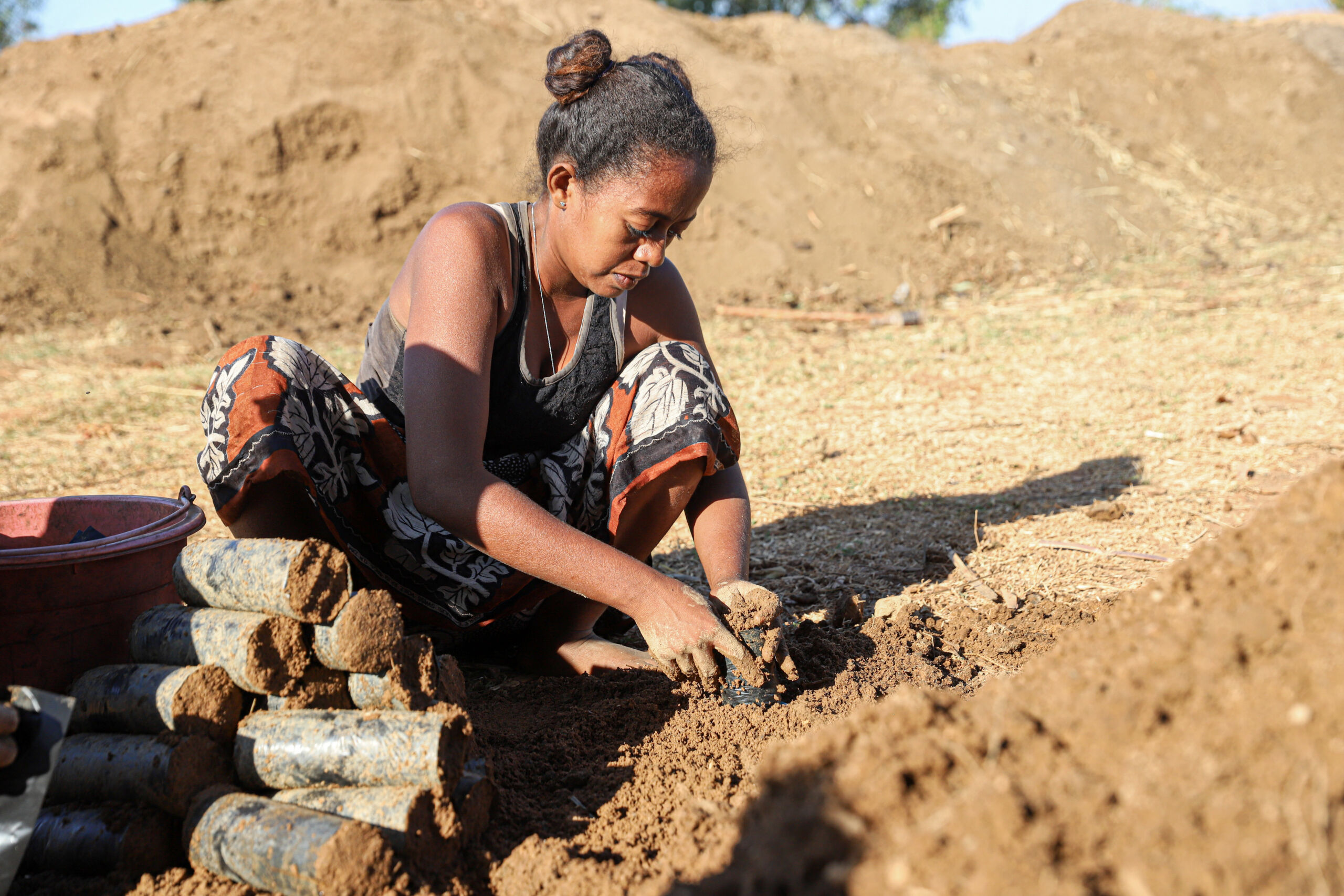
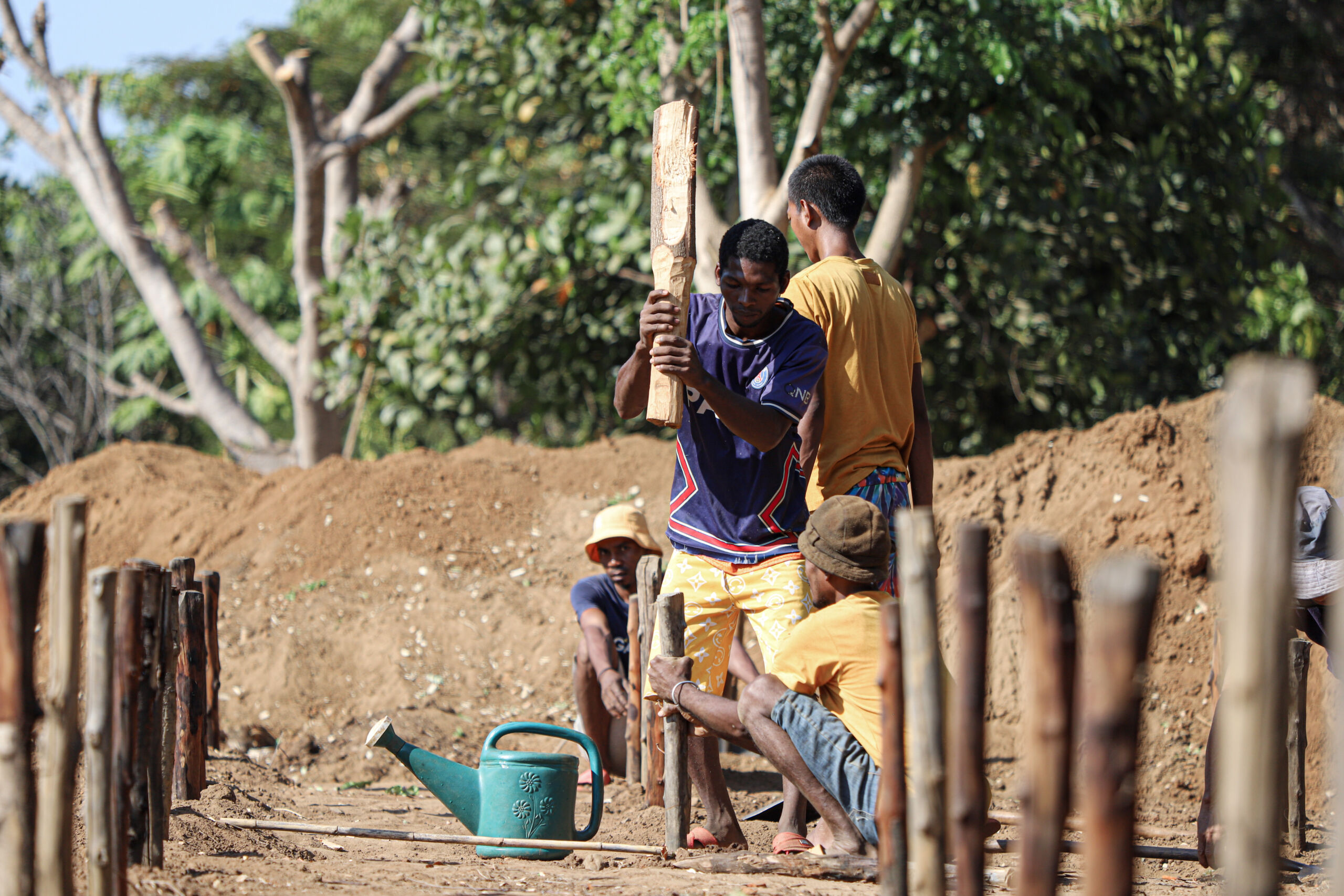
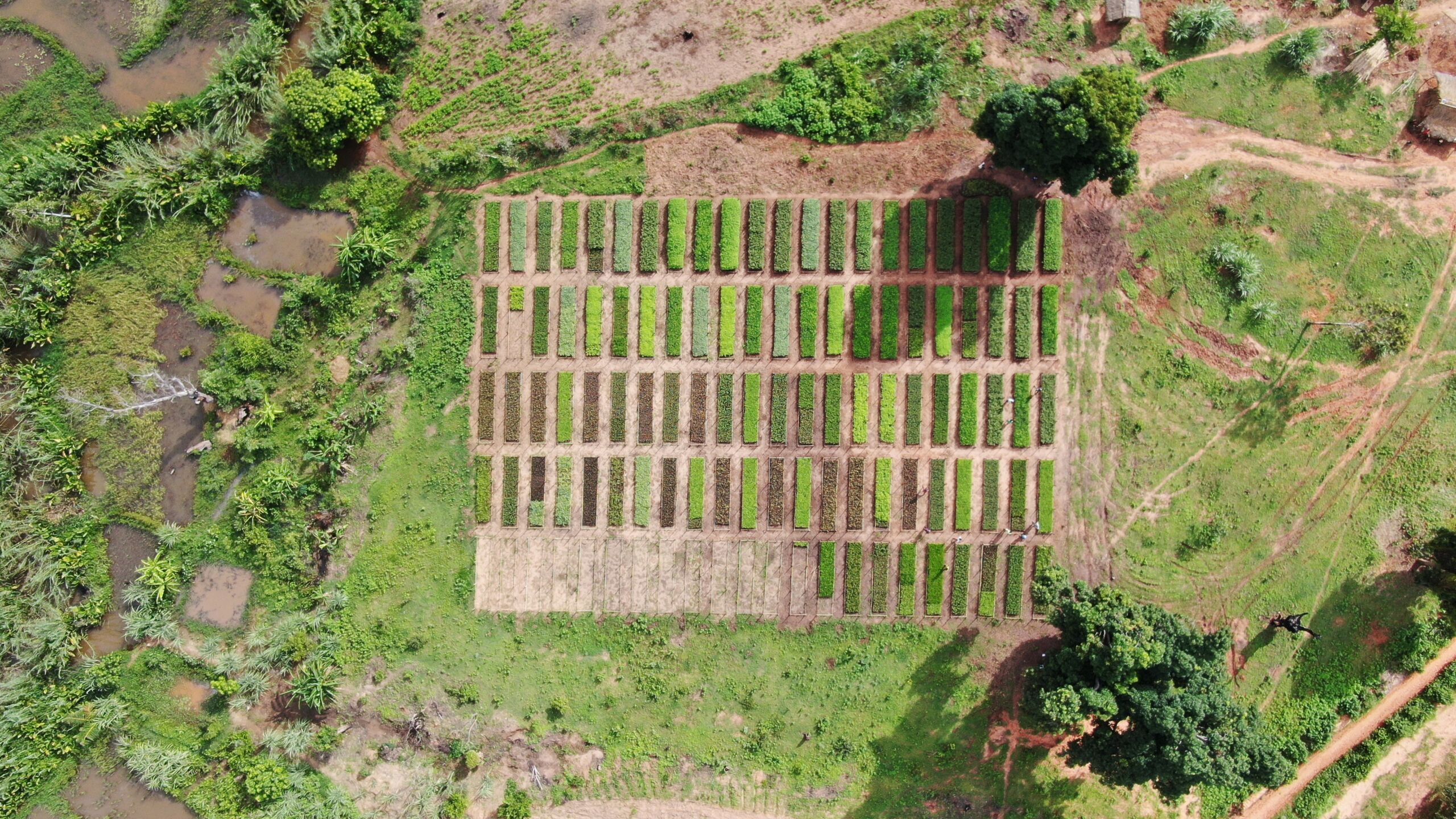
At the same time, the project restores degraded forest landscapes and improves sustainable land use practices. More than 260,000 trees are being planted through reforestation and agroforestry initiatives, with approximately 401,500 square metres of habitat restored and over three million square metres of forest habitat protected. TUI Forest Madagascar strengthens fifty local tree nurseries and trains more than 2,200 community members in sustainable reforestation and forest management practices. Through these activities, communities will be equipped with the skills and tools needed to restore forest ecosystems and manage them sustainably.
Reducing pressure on forests also requires viable economic alternatives for local communities. The project therefore supports around 450 farms and strengthens agroecological agricultural practices that improve productivity while protecting natural resources. By promoting diversified income-generating activities and sustainable farming techniques, the initiative increases agricultural productivity and builds the resilience of households that depend on forest ecosystems.
TUI Forst Madagascar also addresses the high demand for wood energy in the region, which currently represents one of the main drivers of deforestation. Community members receive training in improved carbonisation techniques and the use of improved cookstoves, helping to reduce the amount of wood required for household energy use while promoting more sustainable forest resource management.
In parallel, the project explores opportunities to develop nature-based tourism and other long-term financing mechanisms that can contribute to the sustainability of community-managed protected areas. An exploratory study assesses the potential for ecotourism activities linked to the Tapia forest landscape and identifies opportunities for pilot experiences that can generate income for communities whilst raising awareness of the importance of forest conservation.
In addition, governance structures for the two Community Protected Areas are established and strengthened, involving more than 400 local representatives in the management and monitoring of forest resources. These measures contribute to the protection of endemic biodiversity, including species such as the Borocera silk moth that depend on Tapia forests for survival.
Project Partner
Planète Urgence is a non-profit founded in 2000, committed to empowering local communities to protect forests and biodiversity. With nearly 25 million trees planted in Madagascar, Indonesia, Cameroon, Peru, and Benin, it connects forest restoration with sustainable livelihoods. Its projects combine reforestation, development of economic alternatives, environmental education, and stronger community-based governance of natural resources.