


TUI Field to Fork Sal
In Cape Verde, around 80% of food is imported, and on Sal this dependence is even higher, especially for fruit and vegetables that supply the booming tourism sector. This reality drains local income, raises prices, and keeps young people locked out of a growing agri‑food market. At the same time, Sal growing number of international visitors created a powerful and stable demand for high‑quality, fresh produce.
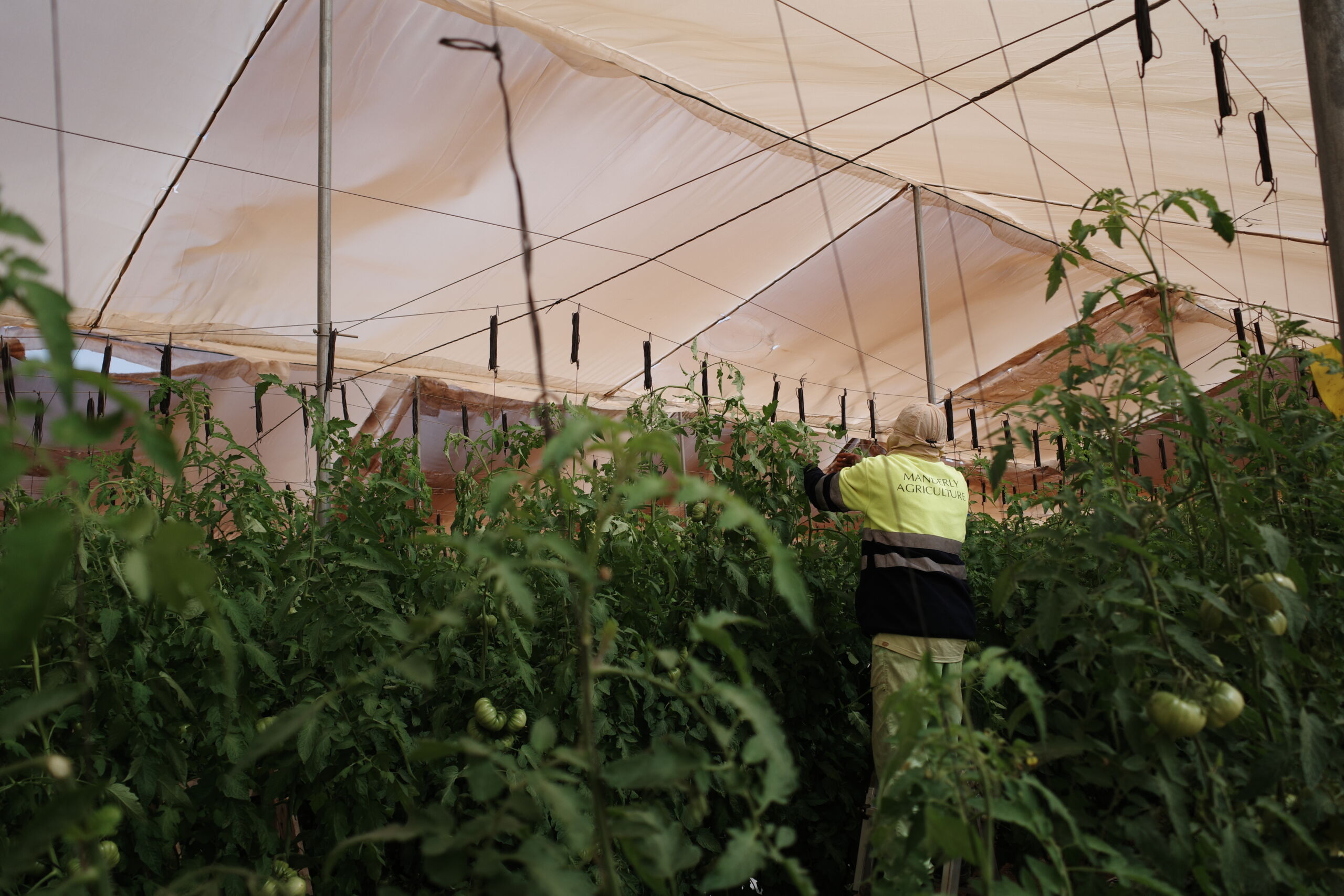
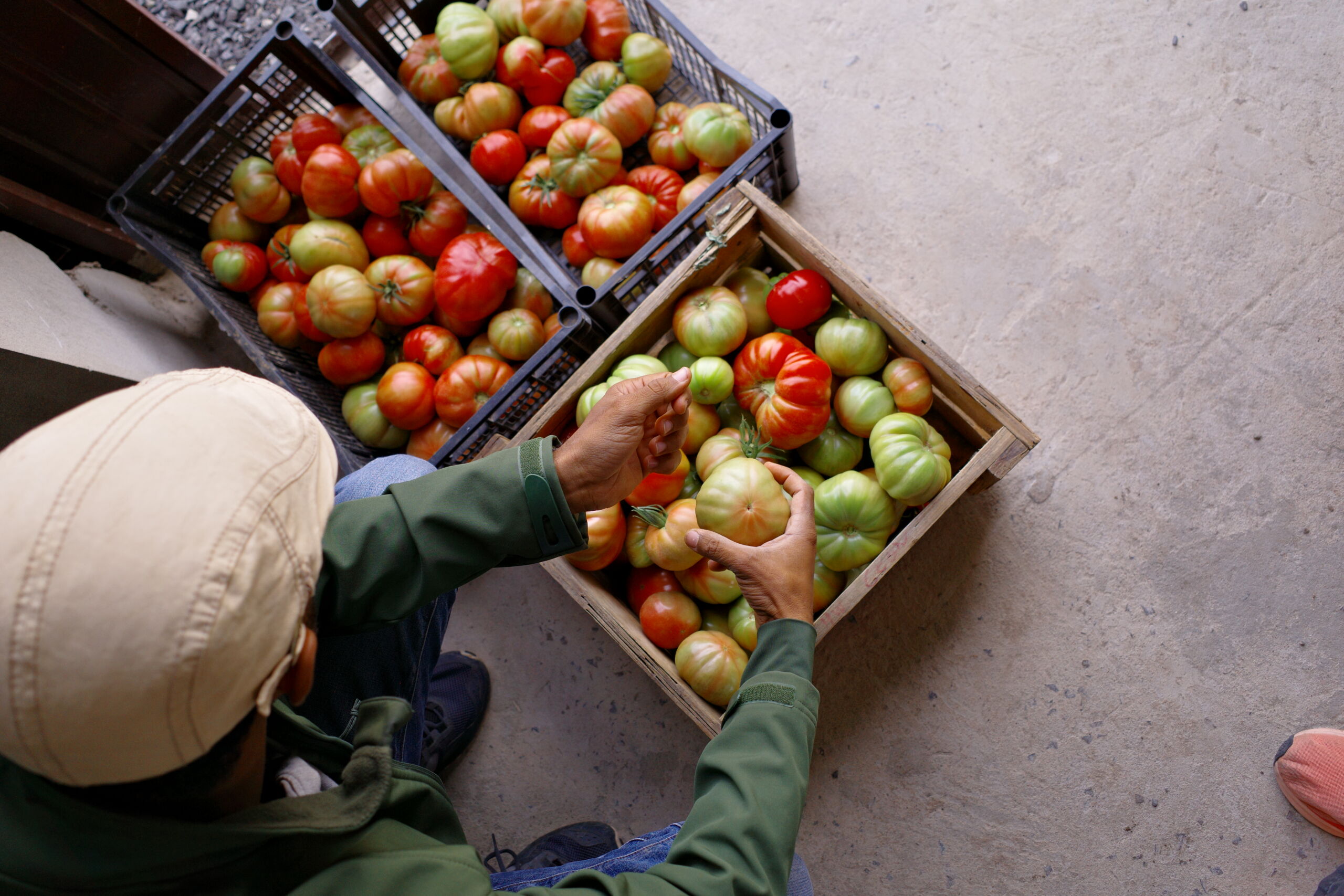
TUI Field to Fork Sal changes that. Implemented by Target 8.9, the Development Agency of TUI Care Foundation, the project mobilized resources to strengthen Manderly Agriculture, a local hydroponic farming company aims to create a climate-resilient greenhouse that will be producing at least 30 tons of fresh horticultural products annually, tailored to hotel standards. The farm will supply top hotels like Robinson, RIU and Hilton, replacing imports with fresh, local alternatives. Alongside this, young people will receive hands-on training in sustainable agriculture, and a new agri-tourism experience—Tapas da Terra—will showcase the island’s food and farming potential. The initiative connects sustainable food production with tourism, creates jobs, empowers young people, and makes Sal more self-reliant. It’s a bold step toward a greener and fairer future for Cabo Verde.
In Sal, fertile soil is scarce, water is limited, and only 0.01% of Cape Verde’s national arable surface lies on the island, so conventional agriculture can’t keep pace with growing demand, and over 80% of the food consumed is imported. Hotels rely on long supply chains from other islands or overseas, which drives up costs and reduces freshness. Local production exists, but it’s small-scale and inconsistent. Meanwhile, tourism keeps growing – bringing both opportunity and pressure.
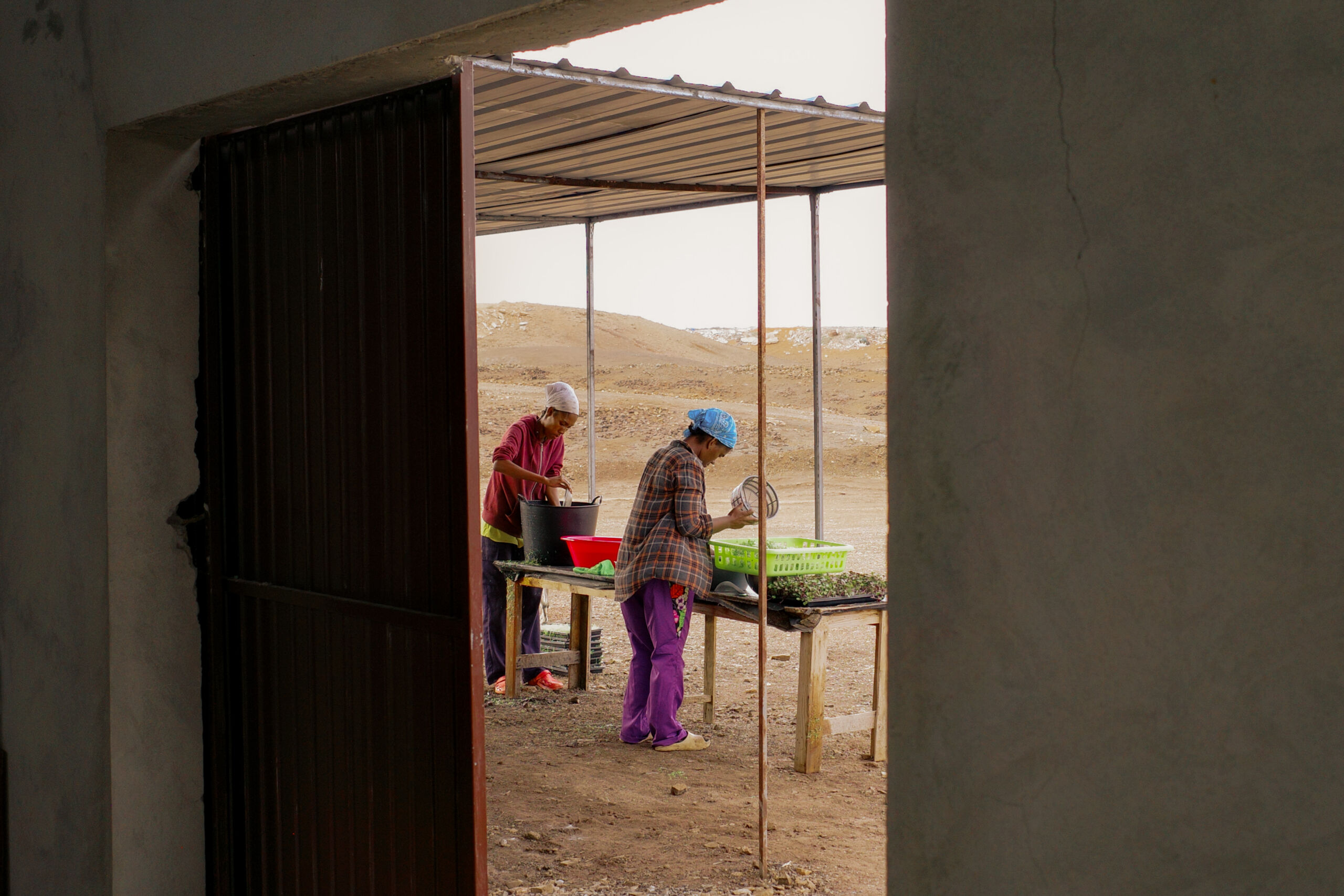
TUI Field to Fork Sal tackles that gap. It introduces a climate-smart greenhouse system using hydroponics and water-saving technology to produce crops year-round, tailored to hotel standards improving food security, cutting carbon emissions and reducing costs for the hospitality sector. To achieve this, the project first invests in supply‑side capacity through infrastructure and technical systems, then builds human capital, and finally unlocks demand through structured partnerships and education. By mid‑2027, the ambition is to have a fully operational 2,500 m² climate‑resilient production area, delivering diversified crops to hotels, restaurants and local consumers. It’s not just about technology. The project also trains 9 young people (at least four women) in sustainable farming and business skills, leading to 18 direct jobs. To raise awareness, 180 high school students will visit the farm to learn about sustainable agriculture, and 120 tourists will experience Tapas da Terra – a guided tour combining farming and local food tasting.
As young trainees, farm workers and partner hotels gain confidence in this new model, the project expects a ripple of independent initiatives and spin‑off ventures to emerge. In turn, this supports long‑term food sovereignty, green jobs and a stronger tourism‑agriculture nexus.
Project Partners
Target 8.9 is a global development and implementing agency initiated by TUI Care Foundation to amplify tourism’s role as a driver of inclusive and sustainable local economies, explicitly aligned with SDG target 8.9 on sustainable tourism.

Manderly Agriculture is a Spanish – Cabo Verdean agri-tech initiative based in Sal, specialising in smart horticulture using hydroponic systems. It was created to tackle the island’s reliance on imported food by offering sustainable, high-quality, pesticide-free vegetables tailored to the tourism sector.