

TUI Field to Fork Curaçao
Curaçao imports around 90% of its food, making the island highly vulnerable to global price fluctuations, supply chain disruptions and changing market conditions. When food imports are affected, local households can face higher costs and reduced access to fresh produce, highlighting the importance of strengthening local food production and improving long-term food security.
Despite growing interest in local agriculture, many aspiring farmers face barriers to getting started. Limited access to training, equipment, irrigation systems and reliable markets can make it difficult to establish sustainable agricultural activities or turn small-scale production into a viable source of income. At the same time, Curaçao’s tourism sector creates significant demand for fresh, locally produced food that could provide valuable opportunities for local growers.
TUI Field to Fork Curaçao addresses these challenges by helping small-scale farmers develop the skills, resources and market connections needed to grow sustainably and profitably. The project combines practical agricultural training, access to shared farming equipment and stronger links to restaurants, hotels and hospitality businesses across the island. Participants are supported to improve food production for their own households, and also to generate additional income through the sale of surplus produce.
By strengthening local food systems and creating new connections between agriculture and tourism, the project helps build a more resilient and self-sufficient Curaçao. At the same time, visitors gain greater access to authentic farm-to-table experiences that showcase the island’s agricultural heritage and local flavours.
For generations, Curaçao has relied heavily on imported food. Whilst these help to meet the island’s needs, dependence on them creates vulnerabilities. Supply disruptions, transportation costs and global market changes can quickly affect food availability and affordability. In recent years, these challenges have reinforced the importance of strengthening local food production and building a more resilient food system capable of withstanding external shocks.
Producing food on Curaçao is also challenging. Limited rainfall, water scarcity, difficult growing conditions and the high cost of agricultural equipment can make farming difficult, particularly for small-scale producers. Many people are interested in agriculture but lack access to the training, tools and support needed to establish successful operations.
TUI Field to Fork Curaçao supports the next generation of local producers through a practical, end-to-end approach. Rather than focusing solely on production, the project supports participants along the entire agricultural value chain, from learning how to grow food sustainably through to accessing equipment, preserving products and connecting with buyers.
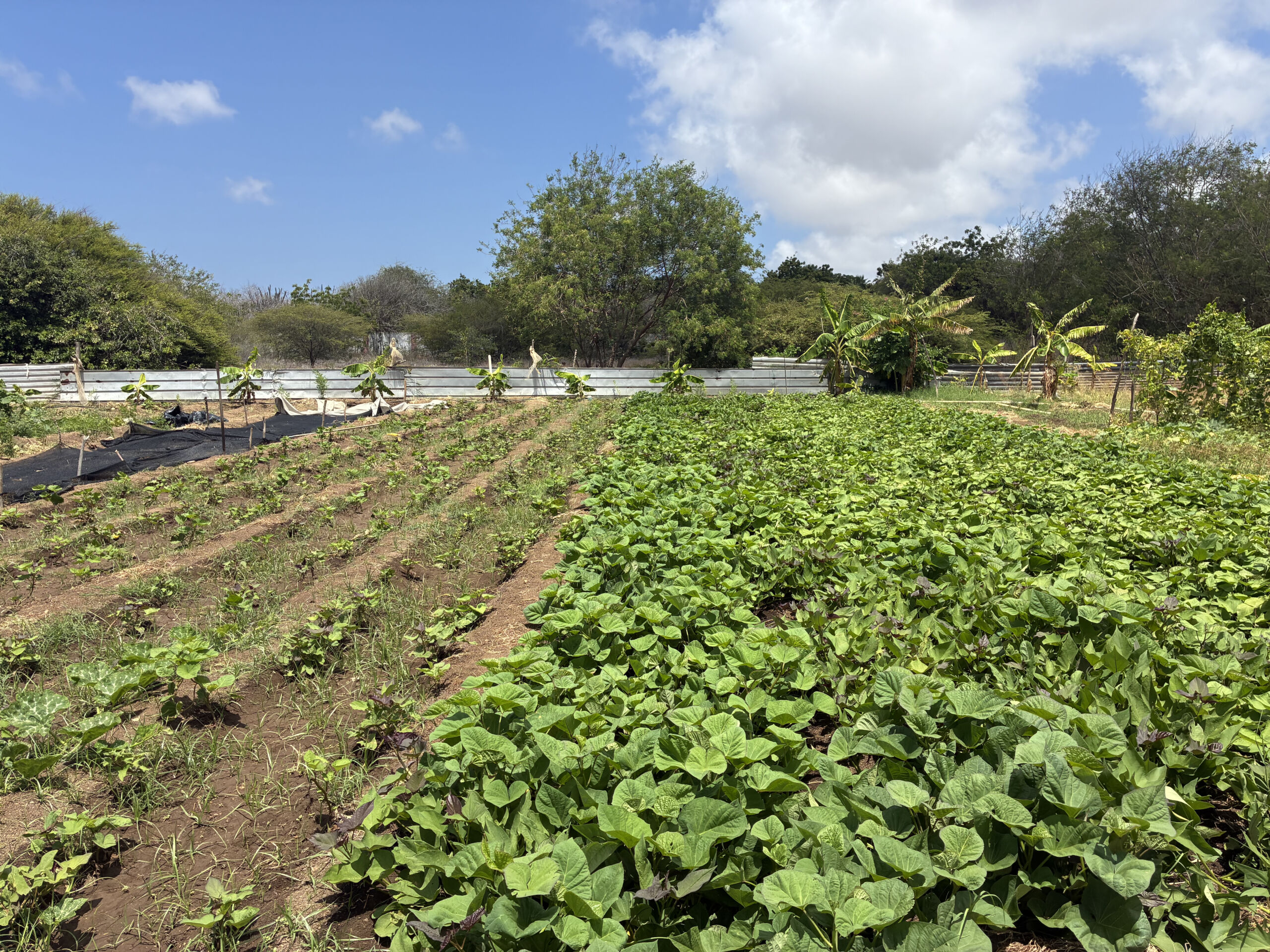
A structured farmer training programme is at the heart of the programme. Over two years, 20 aspiring or established small-scale farmers complete a four-month course covering all stages of agricultural production. Participants learn about soil health, irrigation, planting techniques, pest management, harvesting, crop planning and food preservation through a combination of classroom learning and hands-on field experience. Training provides participants with practical experience they can directly apply on their own land.
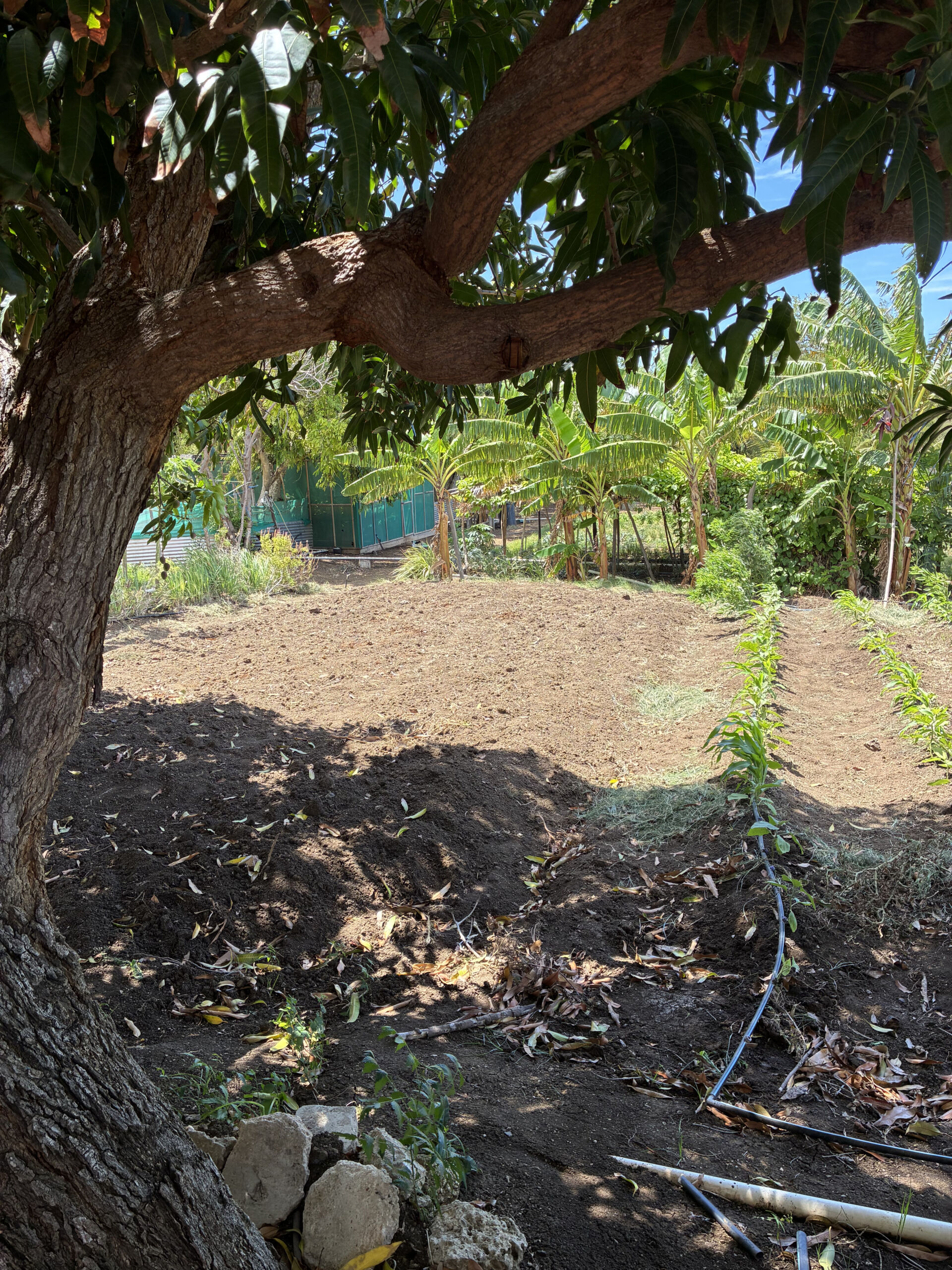
A key aspect of the project is ensuring that participants have the resources needed to put their new skills into practice. Upon completing the training, farmers gain access to an Agricultural Equipment Lending Bank, which provides shared access to tools, machinery and irrigation equipment that would otherwise be too costly for many small producers to purchase independently. This includes equipment such as walk-behind tractors, irrigation materials, harvesting tools and other essential farming resources.
The project also supports participants with practical solutions to one of Curaçao’s biggest agricultural challenges: water management. Each participating farmer receives materials to establish efficient drip irrigation systems, helping maximise water use while reducing waste and improving productivity. Technical guidance and ongoing mentoring ensure that participants can successfully implement these systems on their own farms.
However, increasing production is only part of the solution. Farmers also need reliable buyers. Market access is therefore a central component of the project. Farmers can sell surplus produce through an aggregation hub, creating a route into local restaurants, hotels, supermarkets, farmers’ markets and hospitality businesses. By bringing together produce from multiple small-scale farmers, the project creates a more consistent supply that can meet the needs of commercial buyers whilst giving producers access to markets they might otherwise struggle to reach.
The project establishes relationships with 19 hospitality and food sector partners, creating stronger links between local agriculture and Curaçao’s tourism economy. Restaurants and hotels benefit from access to fresh, locally produced ingredients, whilst farmers gain new income opportunities and more stable market demand.
Alongside farmer training, the project also promotes knowledge sharing with the wider community. Monthly workshops on food preservation and processing teach residents how to extend the life of locally grown produce through techniques such as pickling, preserving and value-added food production. These activities help reduce food waste, encourage local consumption and create additional opportunities for small-scale entrepreneurship.
Tourism also plays an important role in the project’s long-term vision by strengthening farm-based visitor experiences and exploring opportunities to develop bookable tourism products that showcase local farming, food production and farm-to-table dining.
Visitors can discover how food is grown on the island, meet local producers and enjoy authentic culinary experiences rooted in Curaçao’s agricultural heritage. Annual harvest festivals and farmers’ markets create additional opportunities for both residents and tourists to connect directly with producers and learn more about local food systems.
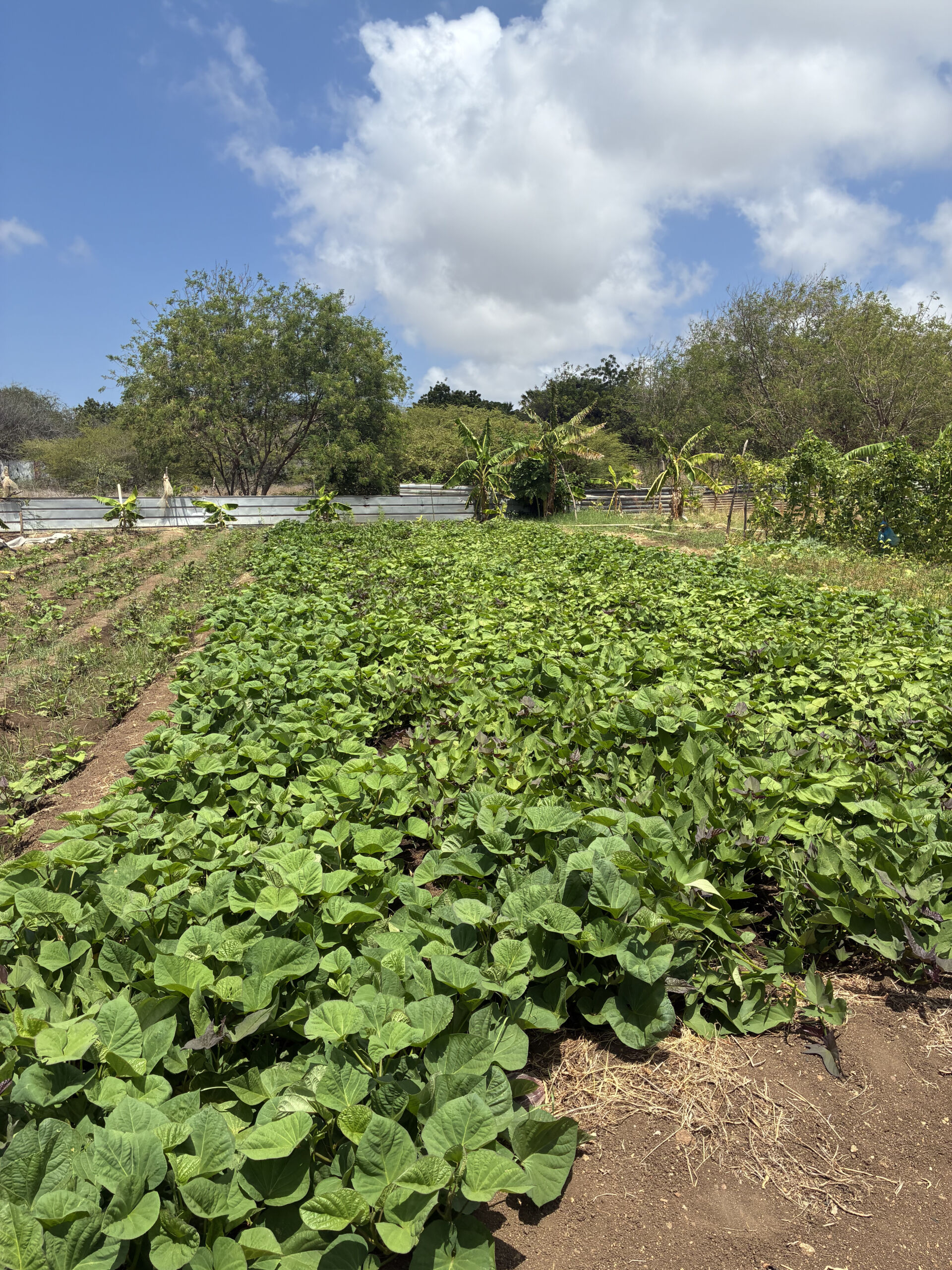
In total, 20 farmers receive training in regenerative agricultural practices, 3,500m² of agricultural land is managed using sustainable methods and strengthened market connections help local producers generate income from their harvests. At the same time, visitors gain new opportunities to experience the tastes, stories and traditions behind Curaçao’s local food culture.
Ultimately, TUI Field to Fork Curaçao is about creating a stronger connection between local food, local livelihoods and tourism. By helping people grow, sell and celebrate food produced on the island, the project contributes to a more resilient food system, stronger rural livelihoods and a visitor experience that showcases a different side of Curaçao beyond its beaches.
Project Partner
Hofi Cas Cora is one of Curaçao’s leading organisations promoting sustainable agriculture, local food production and community food education. Through its working farm, restaurant, market activities and training programmes, the organisation supports farmers, raises awareness of the benefits of local food systems and creates connections between producers and consumers. By combining agricultural production, education and community engagement, Hofi Cas Cora helps strengthen food security and promote a more sustainable future for Curaçao.