


TUI Field to Fork Austria
Austria is known for its alpine scenery, traditional farming culture and thriving tourism industry. The Tiroler Unterland, encompassing Kitzbühel, Kufstein and Schwaz, together with the Innsbruck region, offer diverse tourism destinations combining traditional villages, cultural heritage and year-round recreational activities. Yet the mountain farms that help shape these landscapes face increasing pressure from climate change, soil degradation, biodiversity loss and economic challenges. Many farms operate on steep terrain, making agricultural production more difficult, whilst changing weather patterns create additional uncertainty for rural communities.
TUI Field to Fork Austria strengthens the connection between agriculture and tourism and supports the development of more resilient agricultural systems and locally connected food value chains. The project supports farmers to adopt agricultural practices defined within the project as regenerative, including methods intended to improve soil health, biodiversity and resilience, whilst creating stronger links with local food processors, hotels and tourism businesses. Through training, regional partnerships and new visitor experiences centred on local food and farming, the initiative helps protect Alpine landscapes, strengthens rural livelihoods and creates new opportunities.
Austria’s Alpine landscapes are amongst the country’s most important tourism assets, attracting visitors who come to experience mountain scenery, regional culture and local food traditions. At the same time, the region’s agriculture faces significant challenges. Most farmland is located in mountainous areas where farming is labour-intensive and production costs are higher. Climate change is increasing pressure on farms through more frequent extreme weather events, changing growing conditions and greater uncertainty for agricultural production. These challenges affect the farming communities and also the landscapes, biodiversity and cultural heritage that contribute to the region’s appeal as a visitor destination.
TUI Field to Fork Austria responds to these challenges by promoting regenerative agriculture and creating closer cooperation between farmers and the tourism sector. The project focuses on the Tiroler Unterland region, including Kitzbühel, Kufstein and Schwaz, as well as the Innsbruck region. It works with farmers, food processors, hospitality businesses, tourism organisations and other regional stakeholders to develop a more resilient and locally connected food system.
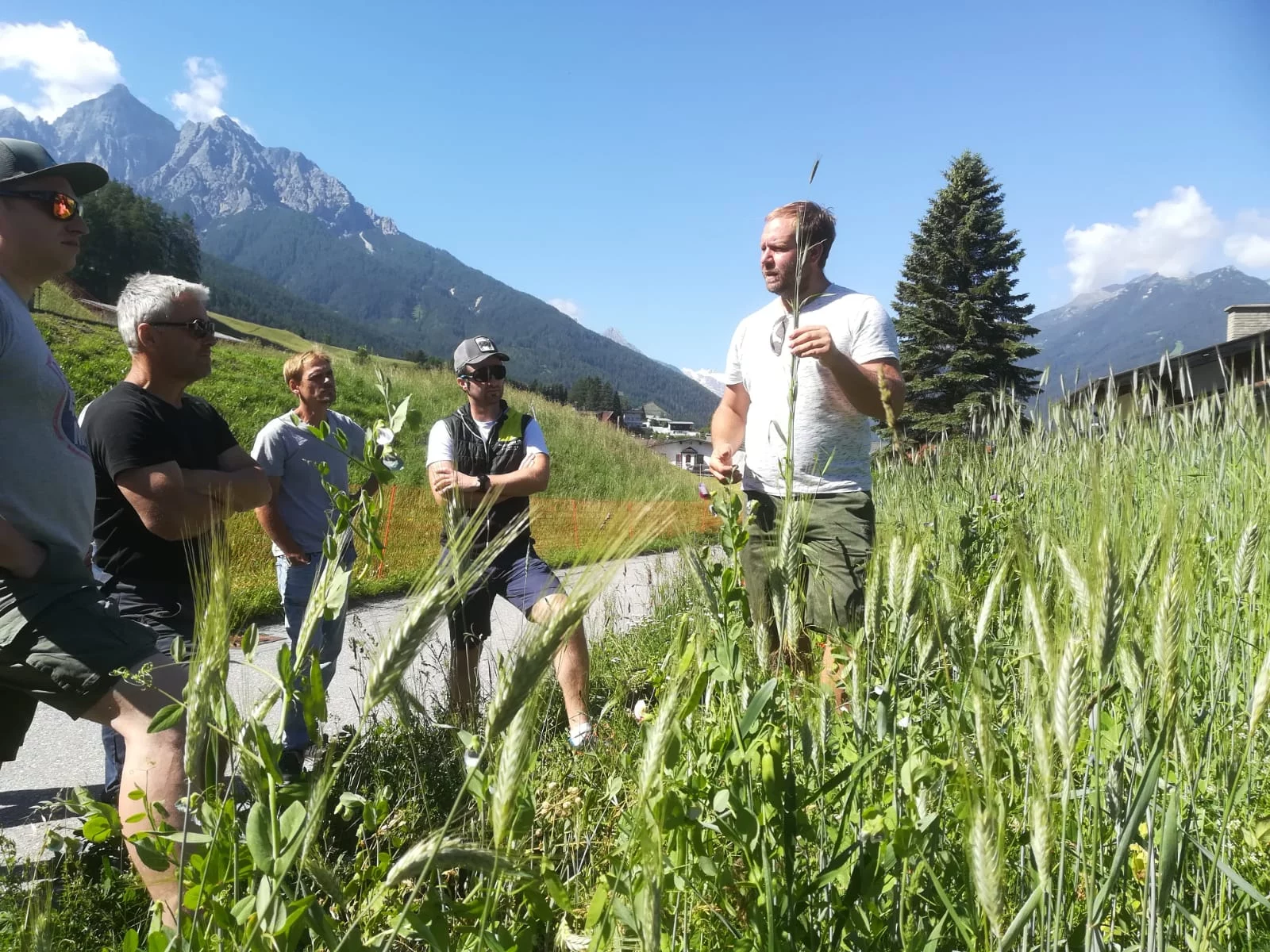
A central part of the project supports farmers to introduce regenerative farming practices. Around 25 participating farms receive tailored training, soil analysis and individual advisory support to help them improve soil health, strengthen biodiversity and increase resilience to changing environmental conditions. Soil samples are collected to establish a baseline and to help farmers develop farm-specific approaches. Follow-up assessments help measure progress and identify practical lessons for wider adoption. The project also organises awareness-raising events for a wider group of farmers and establishes model regenerative farms where others can see techniques in practice and learn directly from their peers. Together, these activities support 95 farmers and help bring approximately 250,000 square metres of agricultural land under regenerative management practices.
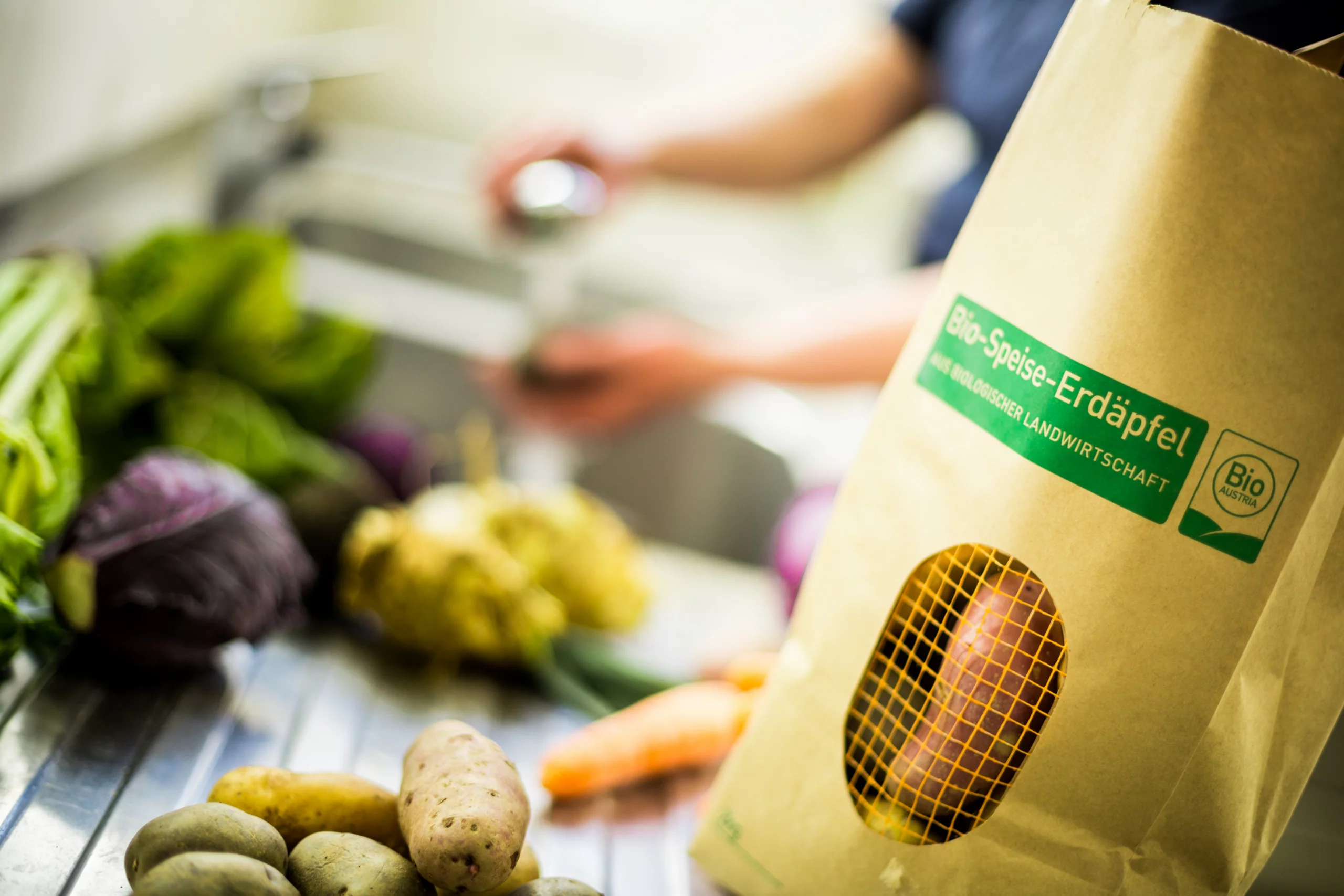
The project also works with food production units and regional food businesses. Training programmes help processors understand regenerative agricultural practices and identify opportunities to incorporate ingredients from participating farms who are applying these practices. The initiative supports the development of products based on locally produced grains and dairy ingredients, such as bread, muesli, cheese and yoghurt. Networking activities connect farmers, processors and wholesalers, helping to strengthen regional supply chains and improve access to local markets. The project enables at least 50 food value chain entities to increase their sourcing or promotion of regeneratively produced products.
Tourism plays an important role in multiplying impact. Hotels, restaurants and tourism businesses can create demand for regional products whilst helping visitors understand the value of local farming and food production. The project therefore works closely with hospitality businesses, tourism organisations and destination partners to encourage the integration of regenerative products into menus, procurement systems and guest experiences. Training and guidance help participating businesses identify suitable suppliers and strengthen local sourcing relationships. The initiative establishes at least 15 partnerships between project participants and tourism stakeholders.
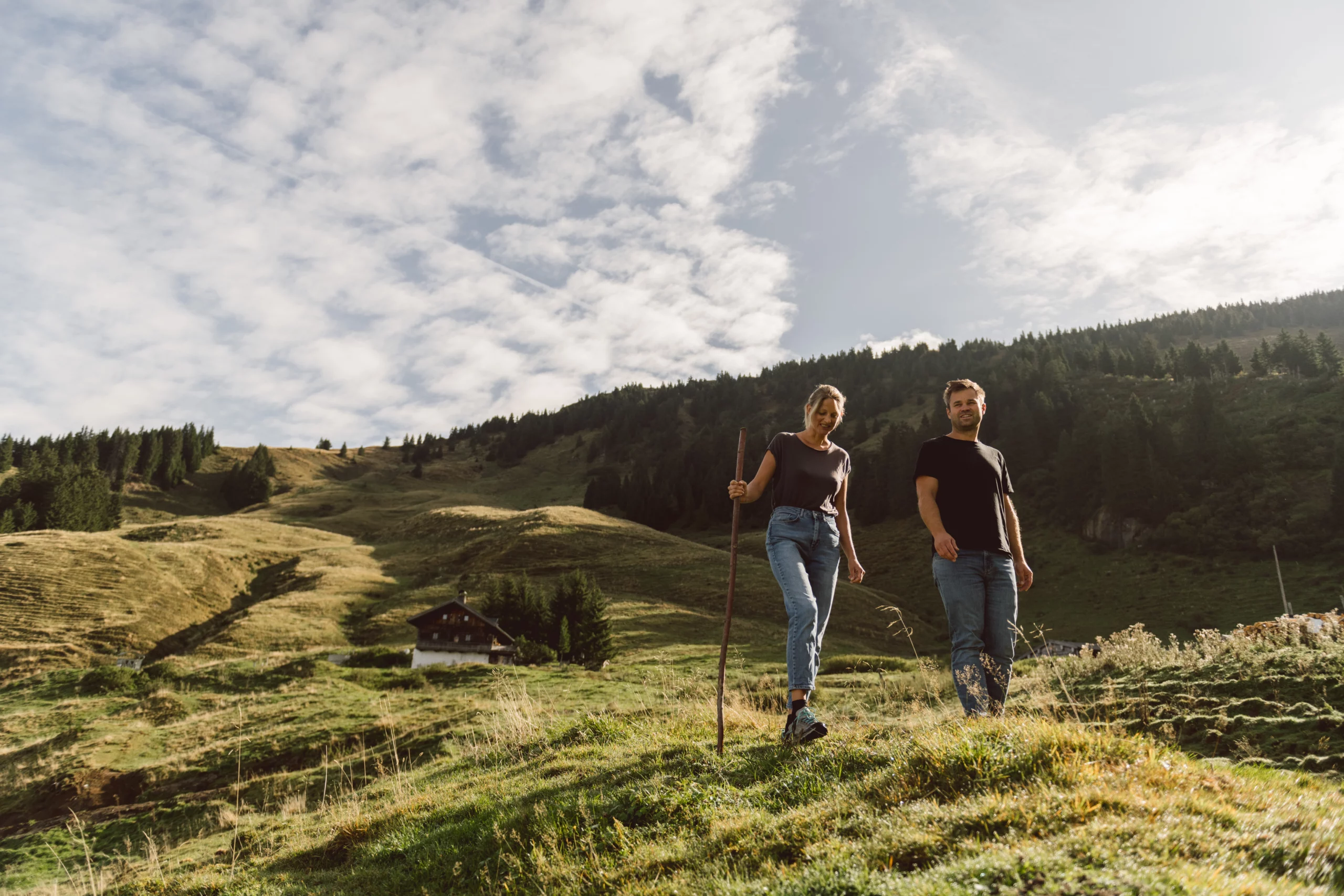
To bring visitors closer to local food systems, the project supports the development of immersive tourism experiences centred on regenerative agriculture, including farm visits, food tastings, cooking workshops and opportunities to meet local producers. These experiences are designed for different visitor groups and integrated into regional tourism offers and hotel programmes. The project creates three market-ready tourism experiences and engages approximately 2,500 participants, including both international and domestic visitors.
Project Partner
Futouris e.V. is the sustainability initiative of the German-speaking tourism industry. Futouris is a non-profit association that, together with its member companies and local partners, develops and implements projects worldwide addressing ecological, social and economic issues in tourism. The focus is on practical solutions, knowledge transfer and the exchange of information on current challenges facing the industry.