

TUI Colourful Cultures: UNESCO World Heritage Sites
Cultural heritage is one of the world’s greatest assets for sustainable tourism. From historic cities and traditional craftsmanship to music, gastronomy and storytelling, culture creates meaningful connections between visitors and local communities whilst generating economic opportunities and strengthening local identity. Yet many heritage destinations face increasing pressure from unsustainable tourism, limited community participation and insufficient investment in the protection and promotion of cultural heritage.
To address these challenges, the TUI Care Foundation and UNESCO have launched a first-of-its-kind partnership through the TUI Colourful Cultures programme. The partnership combines UNESCO’s global expertise in heritage protection and sustainable tourism with the TUI Care Foundation’s commitment to creating thriving communities in tourism destinations.
The initiative is built around three interconnected components that strengthen the role of cultural heritage as a driver of sustainable local development. In Morocco, the project focuses on enhancing the visitor experience and safeguarding the cultural heritage of the World Heritage Site of Ksar of Aït Ben Haddou. In Tanzania, activities in Zanzibar support creative industries, cultural tourism and youth entrepreneurship linked to the heritage of Stone Town. A third global component strengthens international coordination, communication and visibility for sustainable tourism initiatives connected to UNESCO-designated destinations worldwide. Together, these activities demonstrate how tourism can contribute to heritage preservation while creating sustainable opportunities for local communities.
The partnership between UNESCO and the TUI Care Foundation is rooted in a shared belief that tourism should contribute positively to the protection of heritage, the empowerment of local communities and the creation of inclusive economic opportunities. Across many heritage destinations, however, tourism growth has not always translated into meaningful benefits for residents or sufficient investment in preserving cultural and natural assets. The project therefore strengthens tourism models that celebrate local identity, involve communities directly and encourage long-term stewardship of heritage sites.
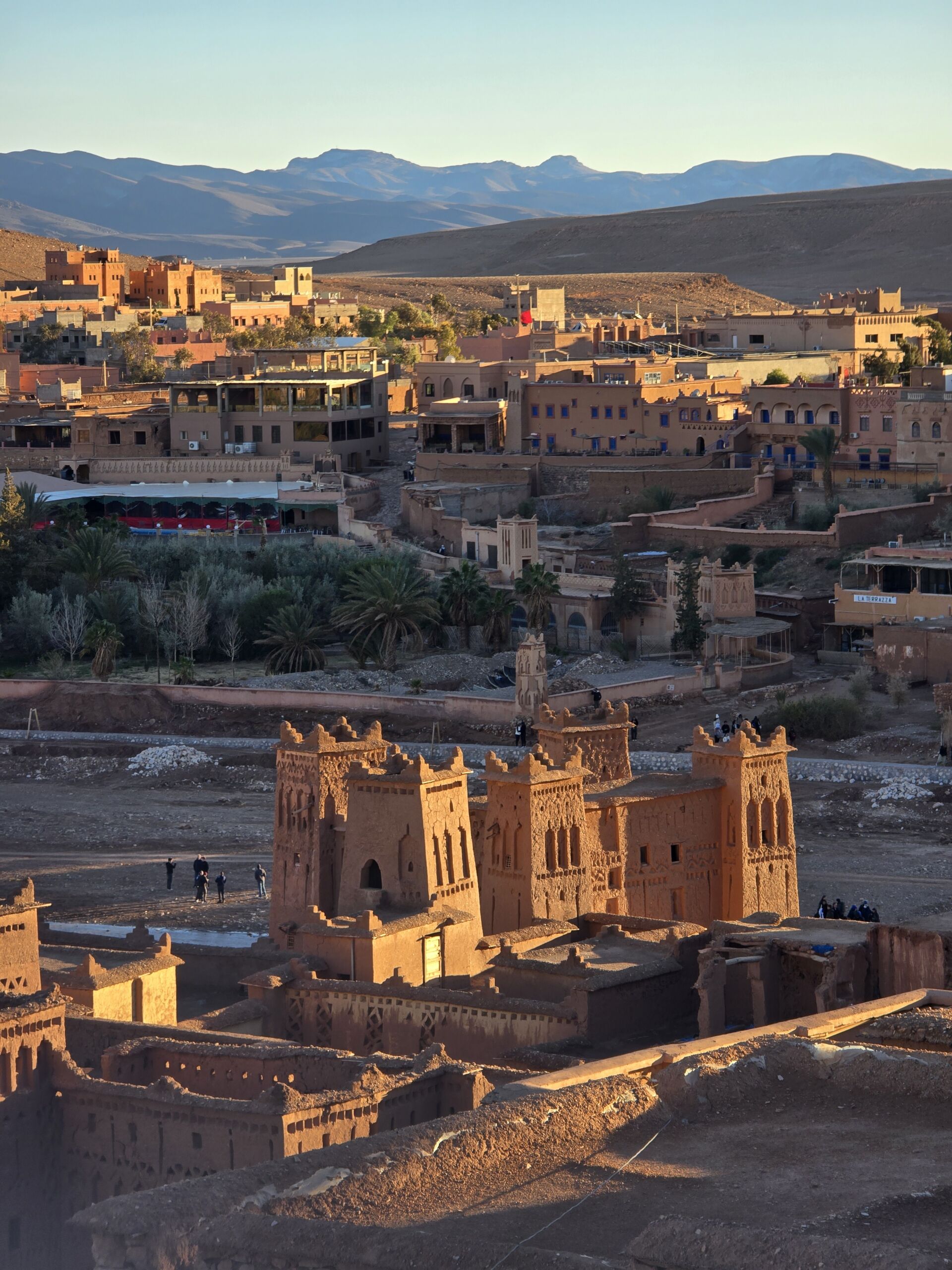
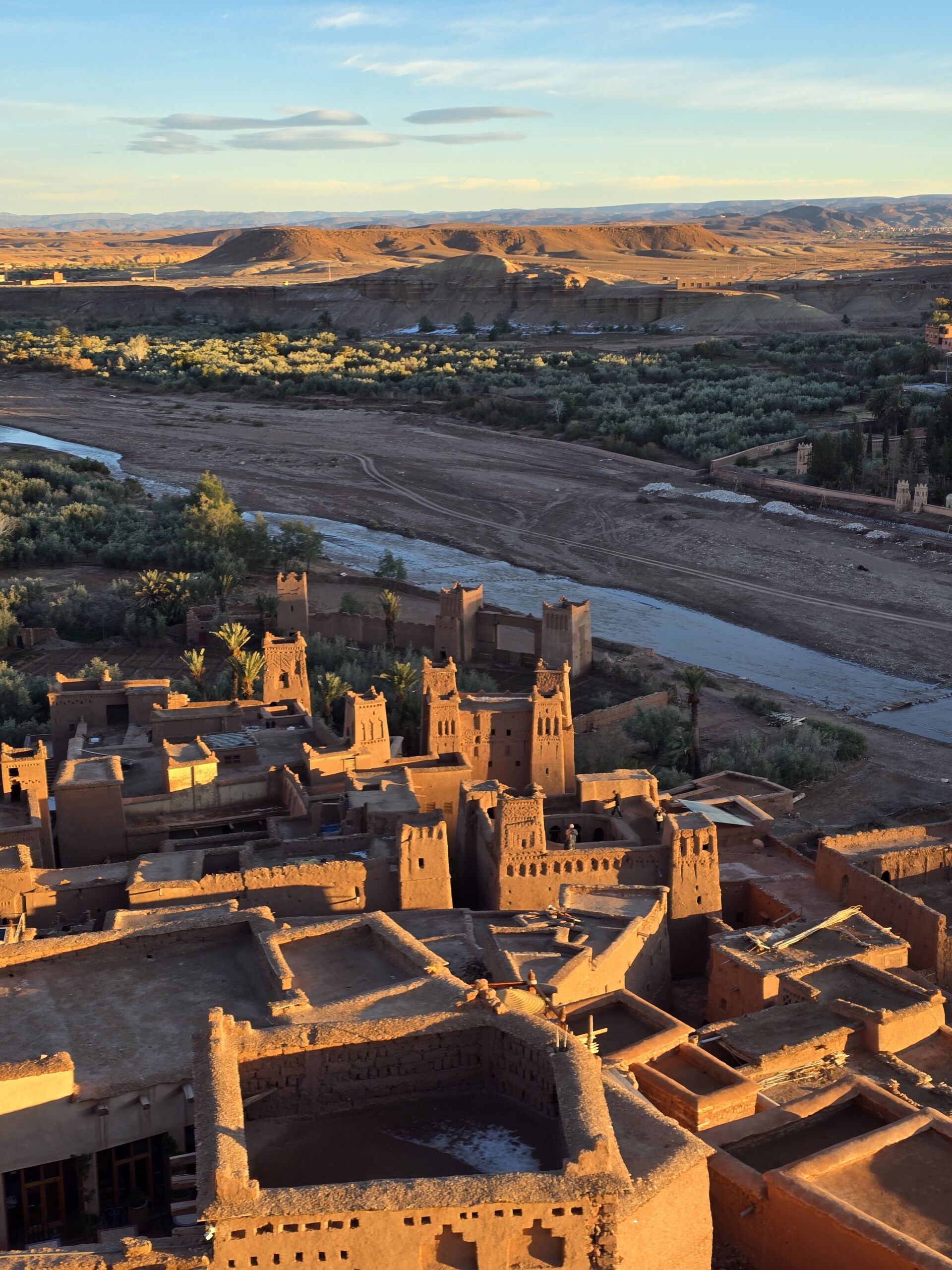
One component of the project focuses on the World Heritage Site of the Ksar of Aït Ben Haddou in Morocco. Aït Ben Haddou, inscribed on UNESCO’s World Heritage List since 1987, is one of Morocco’s most iconic earthen architecture sites and an important symbol of Amazigh culture. Despite attracting large numbers of visitors each year, the destination is often experienced only as a short stopover rather than a place for deeper cultural engagement. At the same time, many aspects of the site’s tangible and intangible heritage remain underrepresented within the visitor experience.
To address this challenge, the project develops a new heritage route that highlights both the architectural and living cultural heritage of the Ksar. It creates interpretation signage, a mobile application and new tourism experiences designed to encourage visitors to engage more deeply with the site and its traditions. The project also supports training workshops for tourism professionals, including guides, travel agencies and hotels, helping them better understand and communicate the value of the site’s heritage. In parallel, artisans from the local community will receive training in marketing, cultural animation and e-commerce, strengthening their ability to connect with tourism markets and benefit from visitor spending.
By the end of the project, at least 1,000 visitors and tourism professionals are expected to access information through the heritage route and mobile application, and at least two new cultural tourism experiences will be developed and integrated into local tourism offers. Six training workshops for tourism professionals and dedicated workshops for at least ten artisans will further strengthen local capacities linked to sustainable tourism development.
A second component of the partnership focuses on Stone Town in Zanzibar, another UNESCO World Heritage destination where tourism plays a central role in the local economy. The project supports young creatives, cultural practitioners and community organisations to develop tourism experiences rooted in Zanzibar’s living heritage. Working with local partners, the initiative combines cultural preservation with entrepreneurship development, helping local communities access greater economic opportunities through tourism.
Activities in Zanzibar include training programmes for young people and cultural organisations in sustainable tourism, storytelling, cultural enterprise development and community-based tourism management. Around 40 participants, with a strong focus on women and young people receive practical training and mentoring support to strengthen their cultural tourism initiatives. The project also supports cultural events such as Forodhani Nights, youth creative markets and collaborations with major festivals including the Zanzibar International Film Festival and Sauti za Busara. These activities provide visibility for local artists, performers and entrepreneurs whilst creating authentic cultural experiences for visitors.
At the same time, the project co-creates and promotes five heritage-based tourism experiences, including culinary, music, storytelling and walking-tour concepts that celebrate Zanzibar’s living heritage. A Heritage Pass connects these experiences under a shared creative tourism identity and supports partnerships with hotels and tour operators to strengthen market access and visitor engagement.
The third component of the partnership focuses on global coordination, communication and knowledge-sharing. UNESCO and the TUI Care Foundation are collaborating to strengthen the international dialogue around sustainable tourism in UNESCO destinations by supporting participation in major international events such as the World Heritage Committee sessions and the Africa Sustainable Tourism and Private Sector Forum.
Through strategic communication activities, storytelling campaigns and international visibility initiatives, the partnership showcases examples of tourism models that support heritage conservation and local development. Communications and digital campaigns as well as international stakeholder events help share lessons learnt from Morocco and Zanzibar whilst encouraging wider collaboration between tourism actors, governments, cultural institutions and local communities.
By connecting heritage preservation with community empowerment and sustainable tourism development, the partnership between UNESCO and the TUI Care Foundation demonstrates how tourism can become a force for protecting cultural identity, supporting local livelihoods and strengthening the resilience of heritage destinations worldwide.
Project Partner
UNESCO, the United Nations Educational, Scientific and Cultural Organization, is a specialised agency dedicated to strengthening international cooperation in the fields of education, science, culture, and information.
UNESCO sets standards, produce tools and develop knowledge to create solutions to some of the greatest challenges of our time, and foster a world of greater equality and peace.
Protecting biodiversity, responding to artificial intelligence, advancing quality education, safeguarding heritage, and ensuring access to reliable information are some examples of the work that UNESCO does with its 194 Member States across the globe.