


TUI Academy Sal
Cabo Verde’s tourism sector continues to expand rapidly, especially in the island’s top destination of Sal and this boost in economic activity has resulted in an increased demand for skilled workers in hospitality and tourism services. However, the local workforce struggles to meet the islands economic needs with limited access to professional and technical training programmes resulting in low levels of professional education amongst adults and young people.
At the same time, the country faces a growing ‘brain drain’, with qualified workers leaving for opportunities abroad. New legislation requiring certified professional skills for employment in tourism and related sectors has exacerbated this, increasing the demand for certified labour on Sal as well on the other islands.
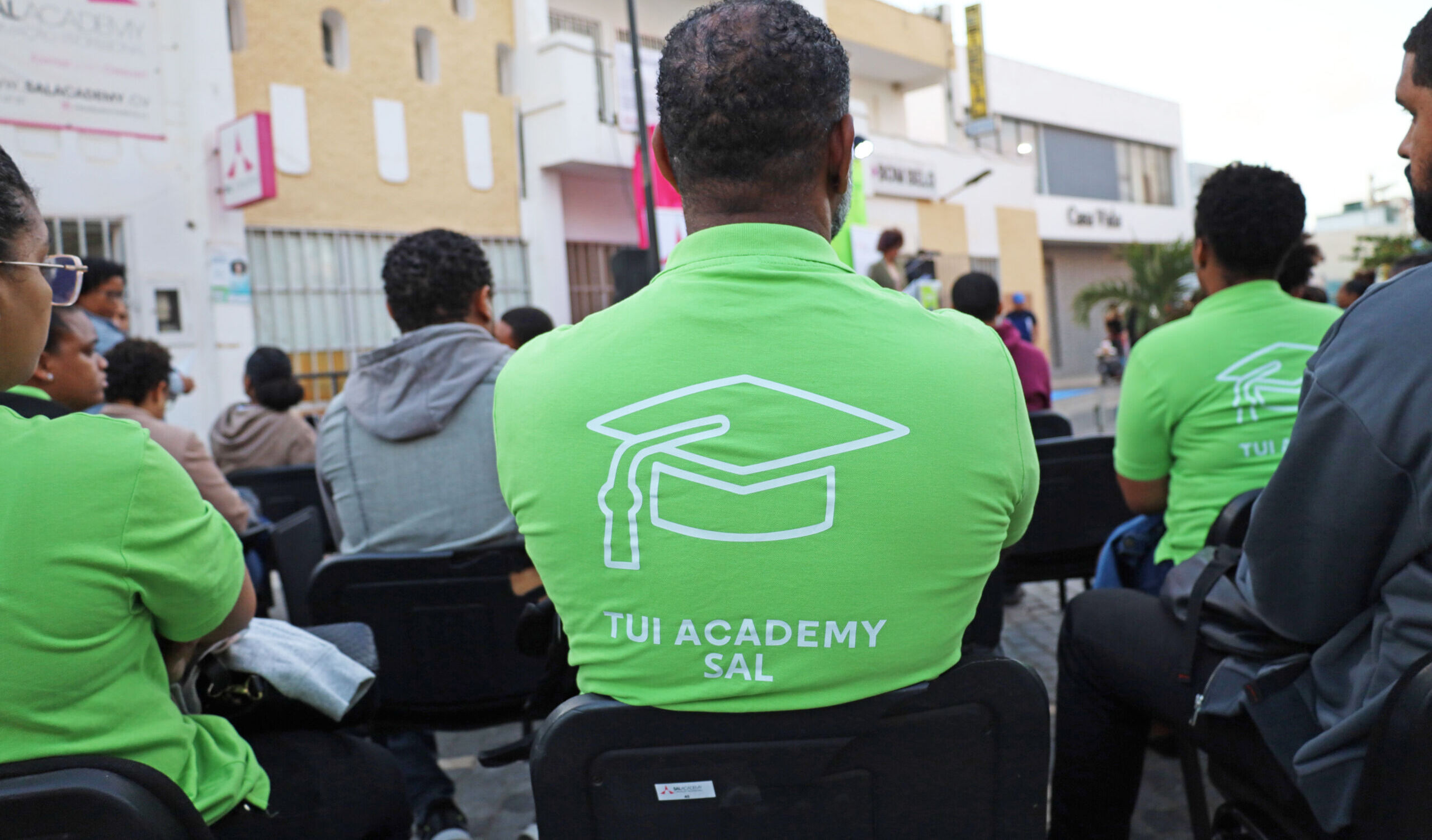
TUI Academy Sal helps to tackle this challenge through a comprehensive vocational training programme that bridges the gap between education and employment. It offers technical and professional training for 330 young people aged 16–35, prioritising women and young people from vulnerable communities. It also offers specialised courses for micro-entrepreneurs to strengthen tourism-related small businesses and improve their sustainability.
The rapid growth in Cabo Verde’s tourism sector is placing increasing demands on the local workforce. The island of Sal, which attracts more than half of the country’s tourists, is at the centre of this expansion. Investments in large hotels and new tourism infrastructures continues to generate employment opportunities; however, the island faces a critical shortage of skilled and certified local labour to meet both current and future industry needs.
Additionally, and despite tourism’s economic importance, its benefits are not equitably shared by the local population. Young people – especially women and those from underserved communities face persistent barriers to accessing training opportunities and the hands-on experience they need to enter the job market. New licensing requirements have also increased the demand for certified workers, with employers struggling to recruit qualified local staff as a result, leaving many young people disconnected from a sector with strong potential to improve their livelihoods. Local entrepreneurs face similar constraints, limiting their integration into the tourism value chain.
TUI Academy Sal helps to address the mismatch between labour demand and local workforce capacity by offering vocational and professional training to 330 young people aged 16 to 35, with priority given to women and youth from underserved communities.
Combining certified training, practical experience, and employment pathways that are aligned with national qualification standards and professional licensing requirements, training focuses on key tourism-related occupations, including hospitality reception, tour guiding, hotel maintenance, air conditioning and refrigeration, small business management, and local commerce.
The project includes structured internships in partner hotels, resorts, and tourism-related businesses, to enable participants to gain real work experience, develop professional discipline, and demonstrate their competencies directly in workplace settings. It also allows employers to identify and recruit qualified local talent, strengthening trust between training institutions and the private sector.
Digital learning is mainstreamed through the TUI e-Academy platform, which complements face-to-face training with language courses, sustainability modules, and entrepreneurship content. This blended learning approach enhances accessibility, supports continuous learning, and strengthen digital competencies.
For participants interested in establishing their own businesses, TUI Academy Sal also provides entrepreneurship training in business planning, financial management, and marketing.
The project works with up to eleven internationally branded hotels and local companies, ensuring direct pathways from training to employment. It also strengthens the capacity of local trainers and training institutions, ensuring that the benefits continue after it has ended.
Overall, the tourism sector benefits from a more skilled, home-grown workforce, local entrepreneurship is strengthened through new tourism-related businesses and improved business practices, and young people are empowered to develop their careers in the hospitality industry.


Project Partner
Sal Academy is a professional training institution based in Sal Island, Cabo Verde, committed to empowering people through high-quality professional training and skills development. Accredited by the Directorate-General for Employment and Training since 2018, it offers a range of certified courses in areas such as tourism and hospitality, administration, commerce, IT and security. It focuses on practical and work oriented learning, combining theory, practice and internships.