


TUI Academy Kenya and Zanzibar
Beautiful tourism hotspots like the coastal regions of Kenya and Zanzibar attract visitors from all over the world, but behind the stunning beaches and vibrant culture, many local women face barriers to joining the tourism workforce. Cultural norms, limited access to education, and a lack of training opportunities keep them from benefitting from the industry’s growth. At the same time, the tourism sector urgently needs skilled workers.
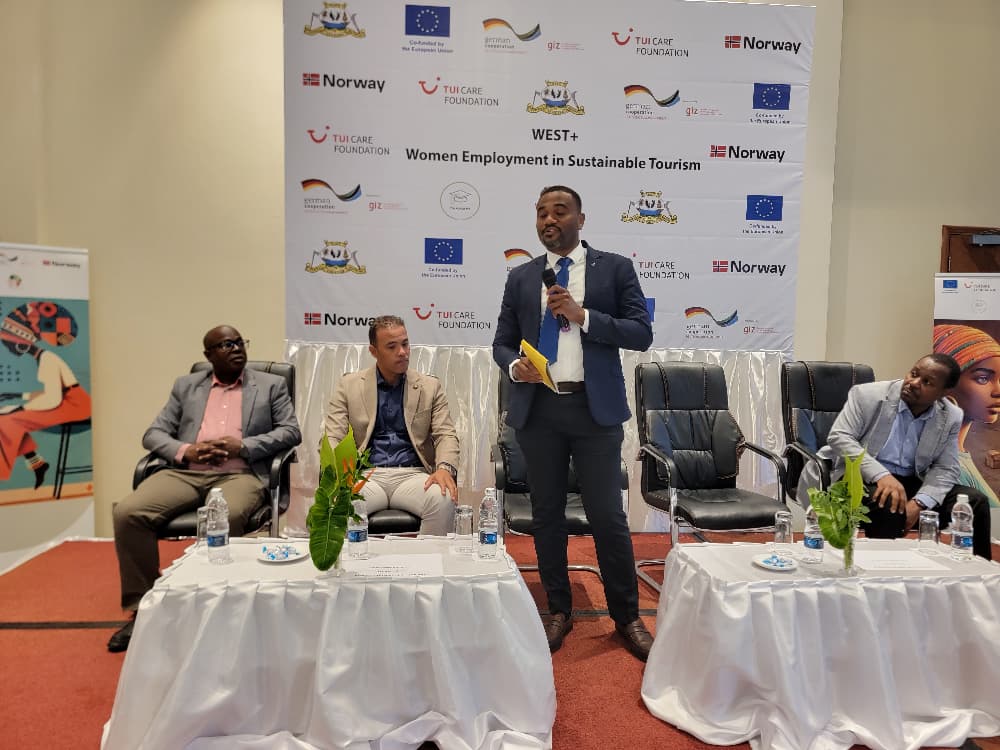
TUI Academy Kenya and Zanzibar, in partnership with GIZ, addresses both challenges by providing women with vocational training that includes green skills and by connecting them to real job opportunities, creating a tourism industry that is both inclusive and environmentally responsible.
Tourism is one of the fastest-growing industries in East Africa and plays a vital role in creating jobs and income for local communities. In Kenya and Zanzibar, this growth offers a unique chance to improve livelihoods in coastal regions that have long faced challenges such as limited infrastructure and fewer economic opportunities. However, many women in these areas still struggle to access jobs in tourism. Cultural expectations often keep them in domestic roles, and a lack of education and vocational training makes it even harder to enter the labour market.
At the same time, the tourism industry faces another challenge: the need to operate more sustainably. Hotels and tourism businesses must adopt sustainable practices like reducing waste, saving water, and using energy efficiently to protect the environment and keep destinations attractive for visitors. Yet many workers do not have the skills to make this happen.
To address these issues, the TUI Care Foundation has partnered with GIZ under the broader programme Employment Promotion for Women for the Green Transformation in Africa (WE4D) to give women the tools they need to build careers in tourism whilst also preparing the workforce to support a greener future.
The project starts with a detailed needs assessment to identify gaps in existing training materials. Based on these findings, curricula will be revised and updated to include essential hospitality skills and a strong focus on sustainability. After conducting a market scan, the project will carefully select multiple training centres to deliver these programmes, ensuring they are well-equipped and aligned with industry needs. Once participants complete their training, they will move on to practical placements in hotels, giving them real-world experience and a direct pathway into employment. 1,680 people will be enrolled in vocational training, with at least 1,400 completing the programme and 840 securing employment within six months of graduation.
To make sure the training meets market needs, the project brings together tourism businesses and training centres through regular dialogue and collaboration. This includes industry visits, guest lectures, and mentorship opportunities, giving trainees direct exposure to the workplace and helping employers shape the skills they need.
Beyond training, the project also creates opportunities for regional and international exchange. Teachers and top-performing graduates will take part in study tours between Kenya and Zanzibar, learning from different contexts and sharing best practices. Lessons from the project will also be presented at global tourism events, showcasing how this approach can be scaled and adapted in other regions. By combining women’s economic empowerment with sustainability, the initiative opens doors for women to build meaningful careers in tourism, supports businesses in becoming greener, and helps protect the natural beauty that makes East Africa such a special destination.


Project Partner
As a service provider with worldwide operations in the fields of international cooperation for sustainable development and international education work, GIZ works with its partners to develop effective solutions that offer people better prospects and sustainably improve their living conditions. GIZ is a public-benefit federal enterprise and supports the German Government and a host of public and private sector clients in a wide variety of areas, including economic development and employment promotion, energy and the environment, and peace and security.