
Destination Zero Waste Cyprus and Greece
The stunning coastlines and crystal-clear waters of the Mediterranean have attracted visitors for centuries, creating thriving tourism economies in destinations like Cyprus and Greece. However, these beautiful landscapes face a growing challenge from plastic pollution, with the rising influx of tourists contributing to the increase of plastic waste, particularly in coastal areas during peak seasons.
The tourism industry, with its extensive reach and influence, provides an ideal platform for positive environmental change through increased awareness and adoption of sustainable practices.
Destination Zero Waste Cyprus & Greece harnesses this potential through a dynamic collaboration between the TUI Care Foundation and Cyprus Sustainable Tourism Initiative (CSTI). The partnership engages tourism businesses, local communities and visitors in creating plastic-free destinations across the region. Building on its success in Cyprus, where it received a Silver WTM Responsible Tourism Award in 2022 for ‘Reducing Plastic Waste in the Environment’, the project is now expanding to include Greek islands like Rhodes and Elafonisos and a Plastic Free Village community-led model in Cyprus. This Mediterranean approach transforms environmental challenges into opportunities for innovation, creating sustainable tourism models that benefit local economies while preserving the natural heritage that makes these destinations so special.
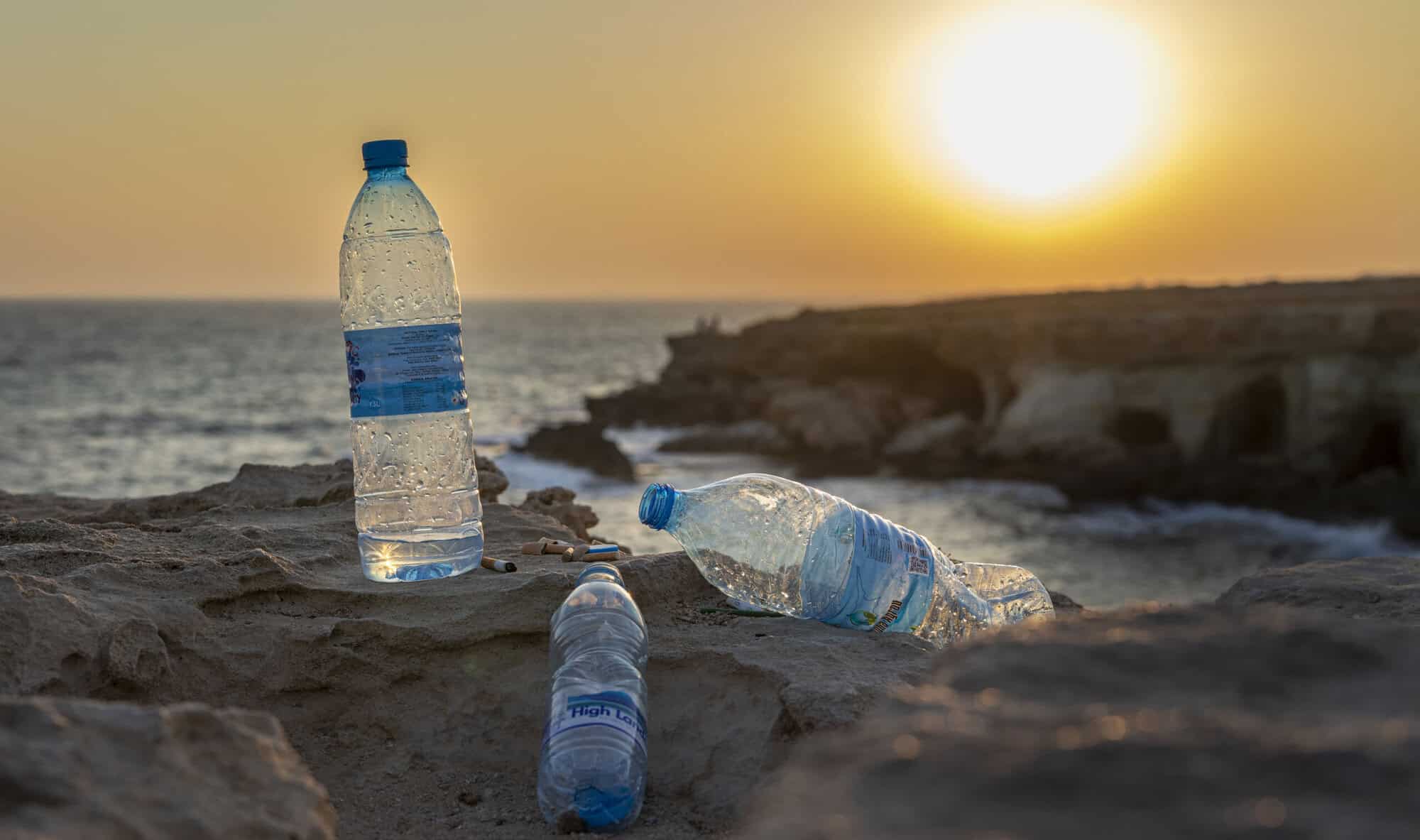
The stunning coastlines and crystal-clear waters of the Mediterranean have attracted visitors for centuries, creating thriving tourism economies in destinations like Cyprus and Greece. However, both countries face plastic pollution challenges that threaten their Mediterranean coastlines. In Cyprus, 80% of beach litter consists of plastic, including single-use items like straws, cups, and plastic bottles. Despite a high waste collection rate, only 19% of all waste in Cyprus is recycled. Greece’s popular tourist islands experience similar issues, with Rhodes hosting 3.5 million visitors annually and Elafonisos seeing dramatic seasonal population increases that overwhelm local waste management systems. The environmental pressures created require innovative solutions to preserve the natural beauty that attracts millions of tourists each year.
Destination Zero Waste Cyprus & Greece addresses plastic pollution in the Mediterranean through a collaborative approach that unites tourism businesses, local communities, and visitors. Building on previous successes, the initiative has transformed eight beaches across Cyprus into certified plastic-free zones. These model beaches now feature water refill stations that eliminate the need for single-use bottles and display creative upcycled art installations made by local school eco clubs. During its current phase the project also develops a Plastic Free Village community-led model to be piloted in two Cypriot villages, combining education, infrastructure improvements, and local engagement to reduce plastic pollution beyond tourist centres.
The expansion to the Greek islands marks an important evolution, recognising that effective environmental protection in the Mediterranean requires coordinated action across national boundaries. Rhodes, which welcomed a record-breaking number of visitors in recent seasons, and the more secluded island of Elafonisos, become new focal points with the establishment of two plastic-free beaches through the project. This expansion creates a network of sustainable destinations across the Eastern Mediterranean, facilitated through strategic partnerships with Rhodes Co-Lab and Elafonisos Eco.
The project already engages with 300 local businesses – hotels, restaurants, bars, and shops – in Cyprus that are implementing alternatives to single-use plastics. The project now expands this network to 450 businesses across Cyprus and Greece, creating a critical mass of sustainable tourism enterprises. The partners receive practical support through workshops and training sessions that help them identify sustainable alternatives and implement plastic-free policies.
The project also establishes three new Plastic Free Schools in Cyprus to promote sustainability in education and engages 3,000 students in Cyprus and Greece through environmental awareness campaigns. This educational approach extends beyond classrooms to reach the broader community through awareness campaigns, beach clean-ups, competitions, public events and hands-on initiatives like Beachfluencer and Bring Your Cup, targeting 500,000 domestic and 1,000,000 international tourists in total in Cyprus and Greece.
Overall, the project aims to collect 4,000 kg of plastic waste, recycle 3,000 kg, and upcycle 2,000 kg through its various initiatives. Economic benefits will flow to local communities through green job creation, with 40 new positions anticipated in areas such as upcycling, sustainable product development, and eco-tourism services. This is achieved through workshops that equip local communities with skills in green entrepreneurship and technical support to social enterprises focused on repurposing plastic waste into sustainable products.


Project Partner
Cyprus Sustainable Tourism Initiative (CSTI) is a non-profit nongovernmental organisation which was established in 2006. It aims to harness tourism demand (tour operators, agents) with the supply of tourism resources (small producers and their communities) to develop a sustainable approach to tourism in Cyprus. Offering a memorable experience for the tourist, this approach also provides a clear economic benefit to villages marginalised by mass tourism, while minimising adverse socio-economic and environmental impact.