

Destination Zero Waste Cancun
The thriving tourism industry in Mexico brings many positive benefits for the local community. However, it’s also a major consumer of single-use waste, especially glass and plastic. Cancun, for example, has one of the highest waste generation levels per capita in Mexico. Much of the poorly managed waste from the tourism sector ends up in the sea, coasts, or in underground rivers. This impacts negatively the environment and the local population’s quality of life. In Quintana Roo state, only 11% of all waste is recycled. Holbox and Isla Mujeres, as small island destinations, face additional challenges, namely less capacity in waste management and lack of final disposal sites.
The TUI Care Foundation is tackling single-use plastics in the coastal region and helping to close the gap between recycling, waste utilisation and recovery.
Tourism in the Yucatán Peninsula is thriving and has grown exponentially over the last few years, especially in the state of Quintana Roo which is famous for its underground rivers and cenotes. However, the urban infrastructure to support this growth has not developed at the same rate and this is now impacting the region’s environment and natural resources. Additionally, as most tourism businesses are small, they have less management and organisational capacity to manage waste and small islands lack final waste disposal sites. There is also very little reliable data about the size of the problem and how to protect and manage these impacts.
Destination Zero Waste Cancun helps to tackle this issue by collecting 350.000 kg of plastic and glass, 50% of which will be recycled and 25% will be upcycled.
To help address the lack of reliable waste management data, an initial survey of different hotels and tourism businesses in the region offers a reliable baseline on solid waste generation, composition, recycling and upcycling in Cancun’s tourism sector. The study generates new data to enable better decision-making amongst stakeholders on how to tackle the waste management issue.
The project creates Cancun’s first Tourism and Circular Economy Hub, which include a Community of Practice and Learning to promote dialogue and best practices on sustainable waste management with the participation of at least 30 local businesses from Cancun and the islands of Holbox and Isla Mujeres. 15 of these tourist businesses will adopt the Less Plastic Guide and Action Plan to identify, measure, prioritise, and reduce single-use plastics. An annual Zero Waste Forum offers training sessions and conferences for local tourism businesses, in cooperation with local tourism associations.
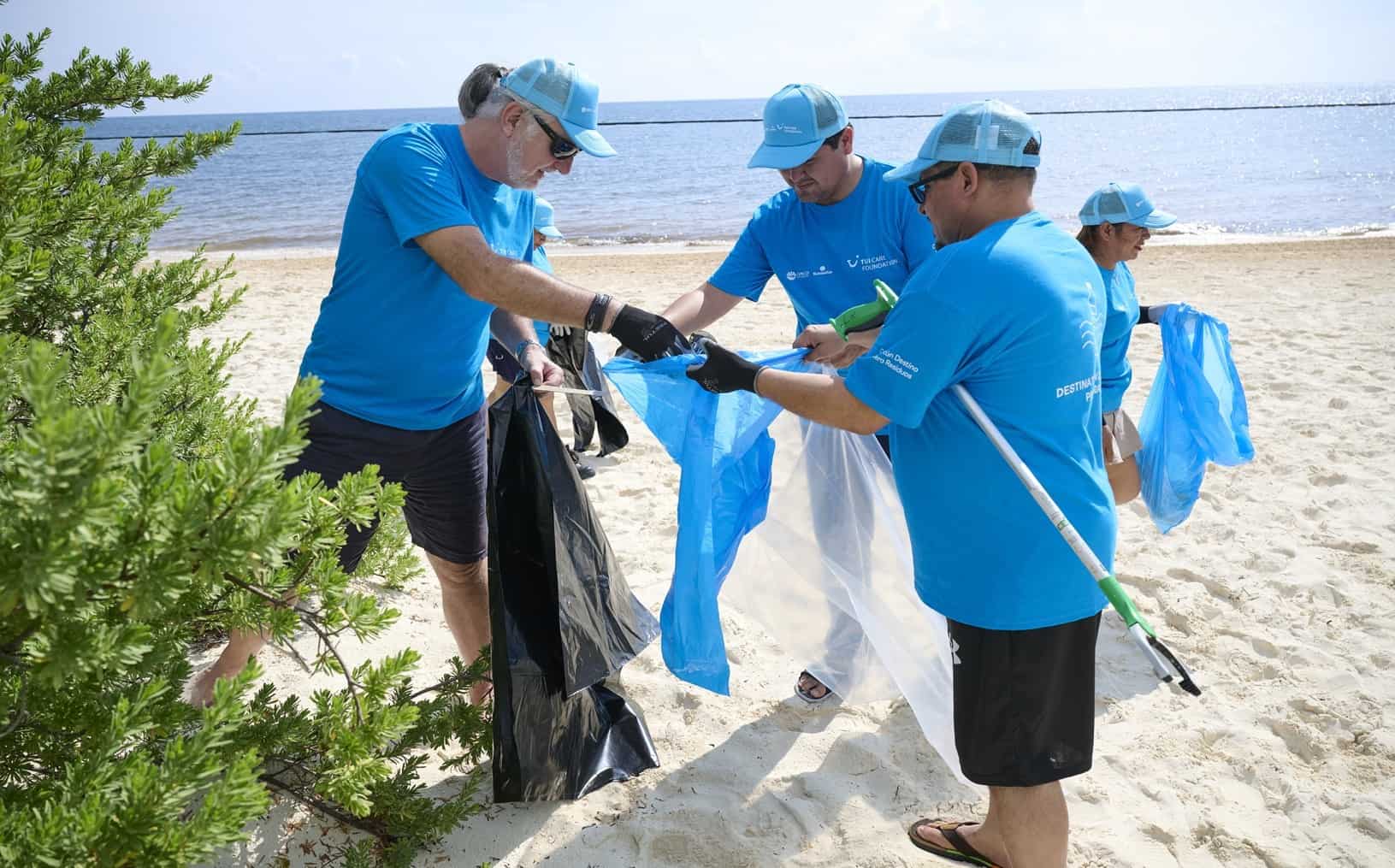
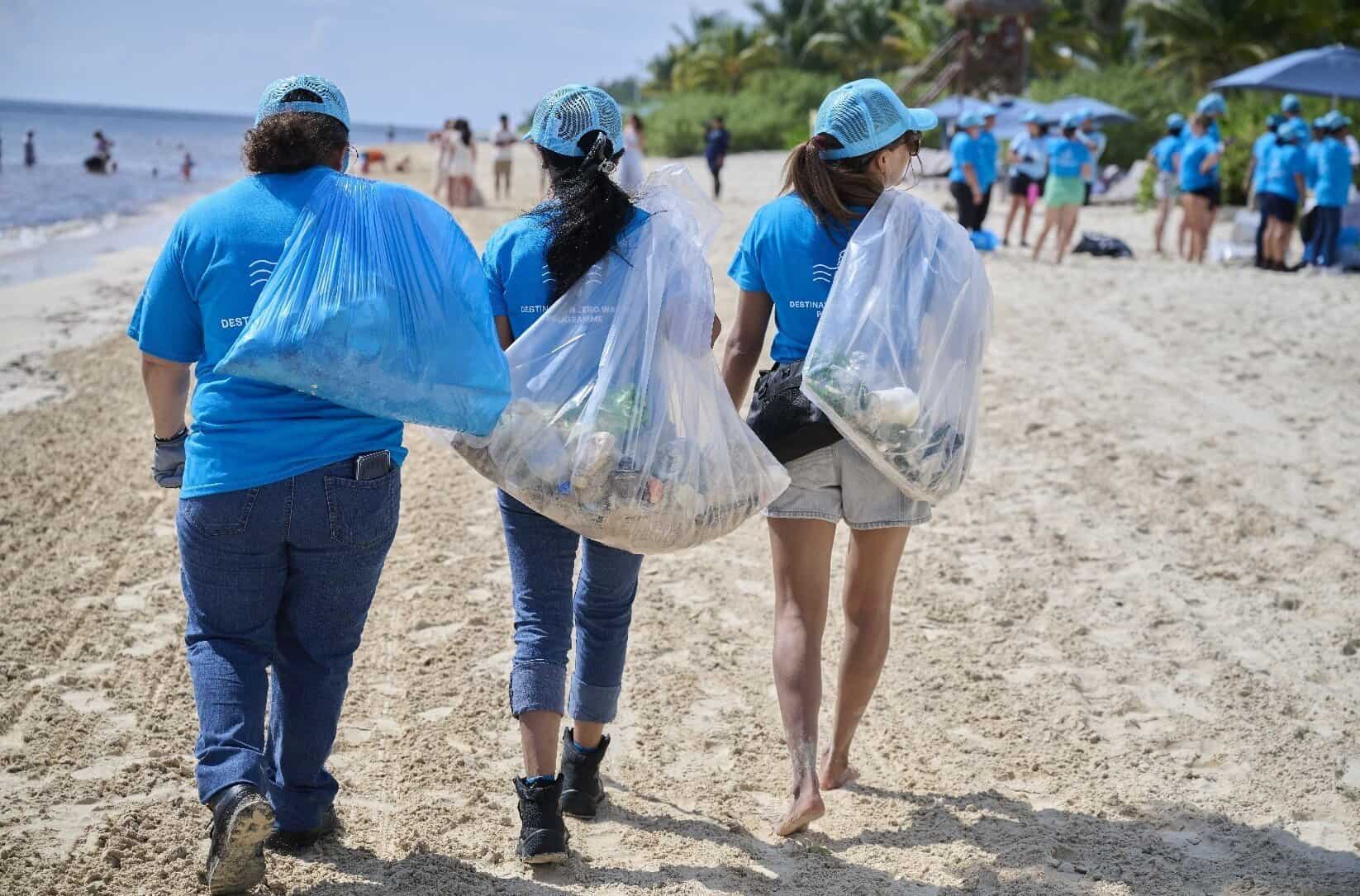
Clean-ups also take place to improve the beach, mangrove, seabed, and cenote environments in underserved sites where materials can be recovered for recycling and upcycling. 2000 local and international tourists are expected to participate voluntarily in these initiatives through the launch of relevant communication campaigns.
Through an incubation programme, local upcycling businesses are also supported through relevant training and links to the local recycling ecosystem, including hotels, restaurants, and tour operators. Six local businesses are expected to participate in the incubation programme and 50 people will receive relevant training.

Project Partner
Sustentur specialises in designing, developing, and implementing sustainable and social tourism projects. It has developed more than 100 projects for national and international institutions, including UNDP, WWF, GIZ, the Central American Commission for Environment and Development, as well as for various tourism and environmental agencies at the international, national, state, and municipal levels, private companies, NGOs and rural and indigenous communities. Through its work, the organisation has reached fifteen countries and all 32 states of México, supported the consolidation of six sustainable tourism destinations, and trained more than 20,000 tourism and sustainability specialists.