
press release
Berlin
,
28. May 2026
Safeguarding unique cultural heritage through tourism development: UNESCO and TUI Care Foundation launch global partnership to empower communities in World Heritage destinations
- First projects in Morocco and Zanzibar focusing on sustainable tourism around UNESCO World Heritage destinations, supporting communities and safeguarding cultural and natural heritage
- Initiatives empower women, young people, artists and local tourism entrepreneurs while safeguarding cultural heritage
- Global initiative to strengthen international cooperation and private sector engagement for sustainable tourism across holiday destinations
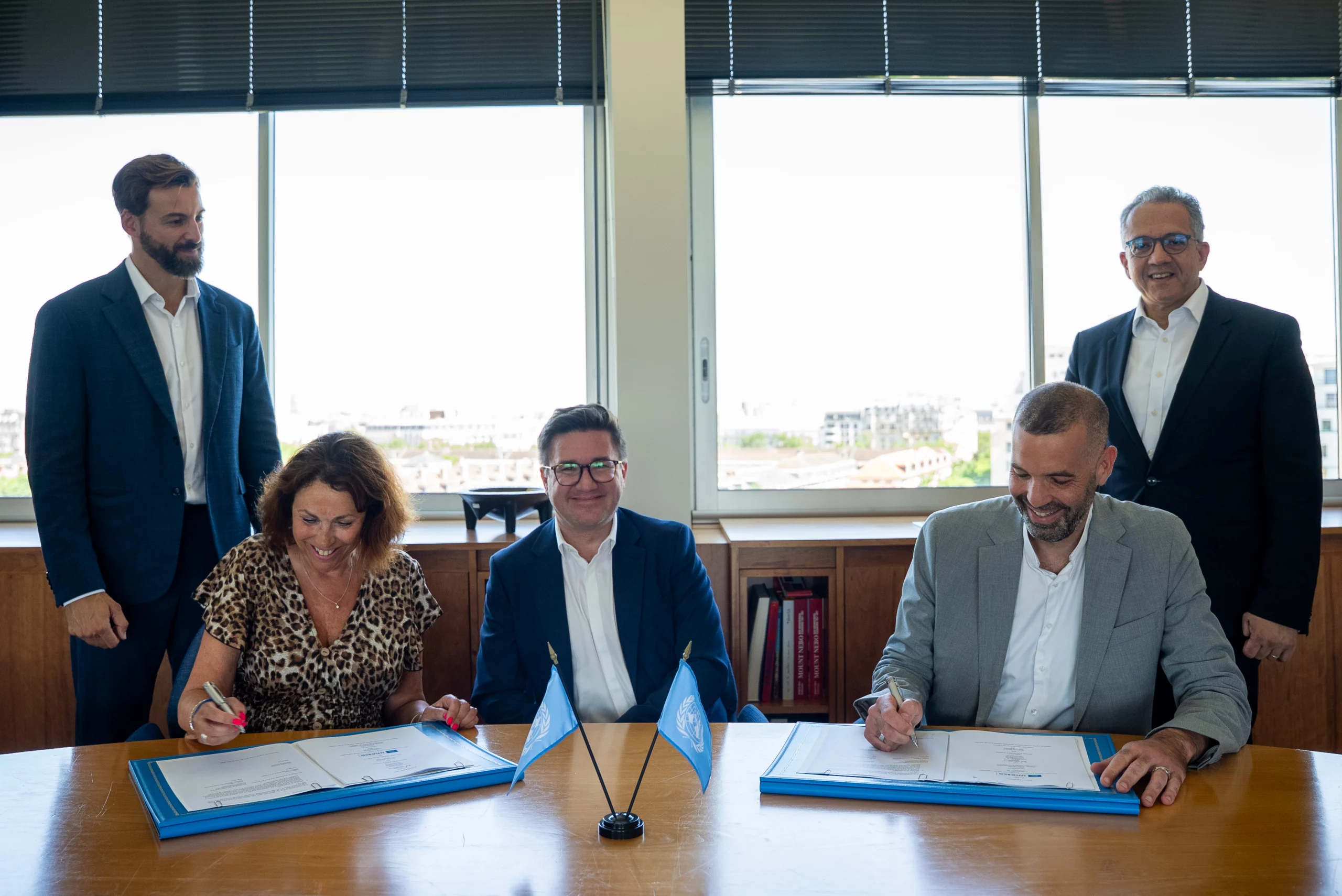
UNESCO and the TUI Care Foundation are launching a new global partnership focusing on sustainable tourism in and around UNESCO World Heritage destinations, supporting local communities, safeguarding cultural heritage and promoting inclusive and responsible tourism development. The collaboration combines local destination projects in Morocco and Zanzibar with a global coordination and knowledge-sharing component designed to inspire sustainable tourism practices internationally.
The partnership responds to the growing pressure on many heritage destinations worldwide, where increasing visitor numbers create economic opportunities but also place strain on local communities, cultural traditions and natural environments. By working closely with tourism stakeholders, local communities, cultural practitioners and public authorities, the initiatives aim to demonstrate how tourism can actively contribute to heritage preservation and inclusive local development.
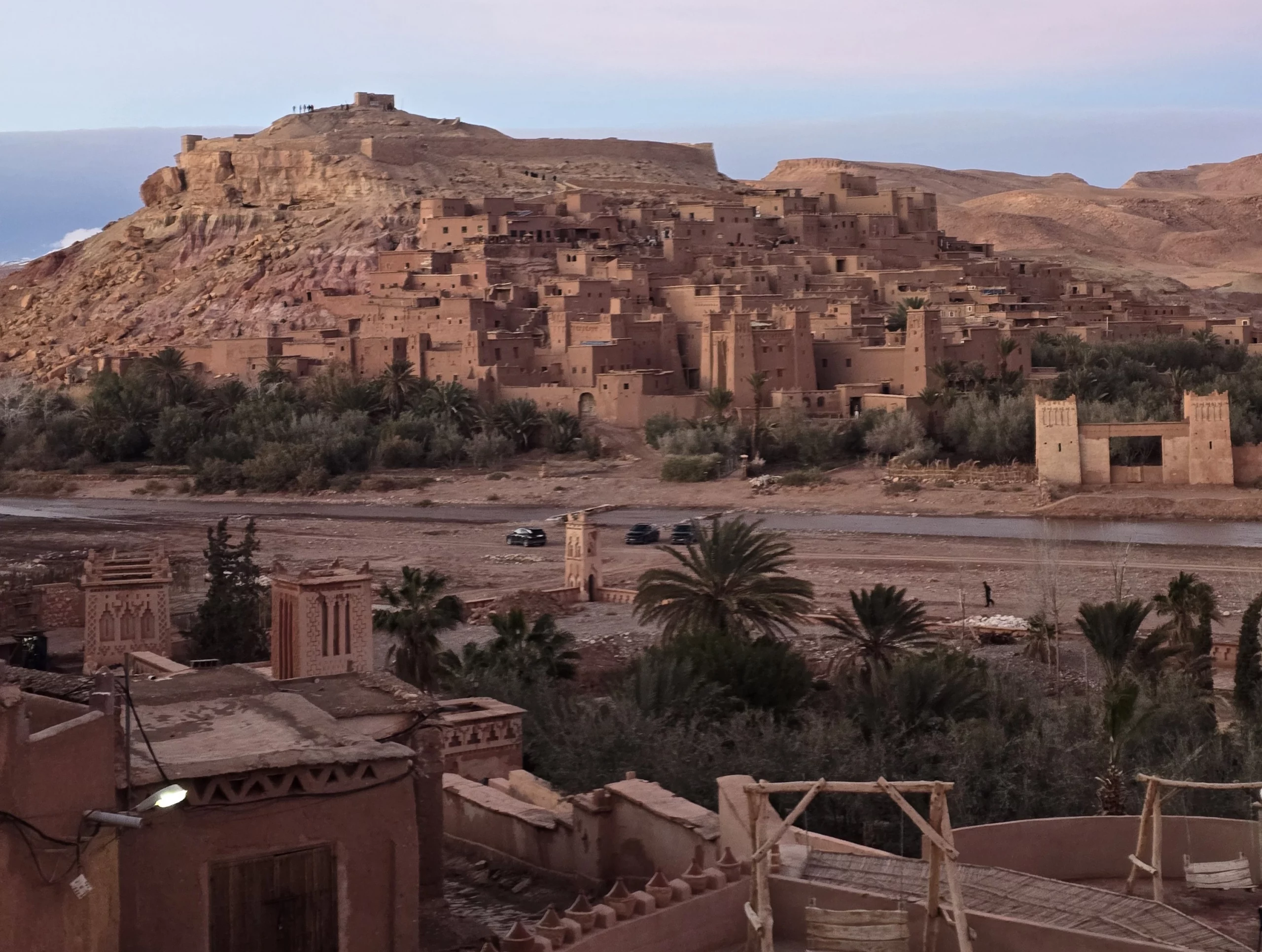
In Morocco, the partnership supports sustainable tourism development around the UNESCO World Heritage site of Ksar Aït Ben Haddou, one of the country’s most iconic cultural landmarks. Whilst the destination attracts large numbers of visitors every year, many tourists only stop briefly before continuing to other locations. The project aims to strengthen local economic benefits from tourism by encouraging longer stays, supporting local artisans and tourism businesses and developing new cultural tourism experiences rooted in the destination’s heritage and traditions. The initiative includes training for local guides, tourism entrepreneurs and artisans, the development of cultural routes and the creation of new storytelling and digital interpretation tools to help visitors engage more deeply with the destination’s living heritage. Particular focus is placed on supporting women and young people in accessing tourism-related economic opportunities linked to local craftsmanship, culture and hospitality.
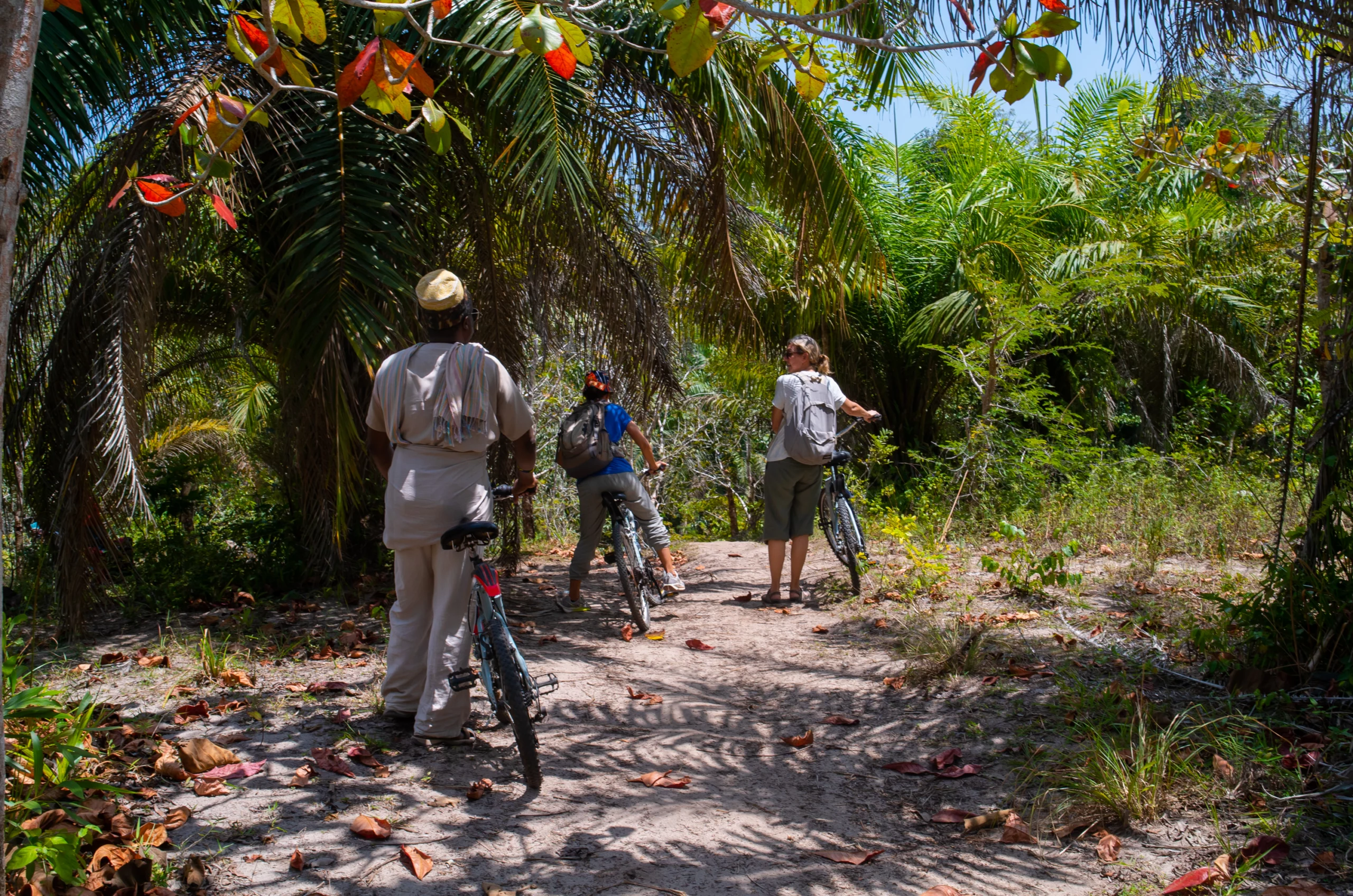
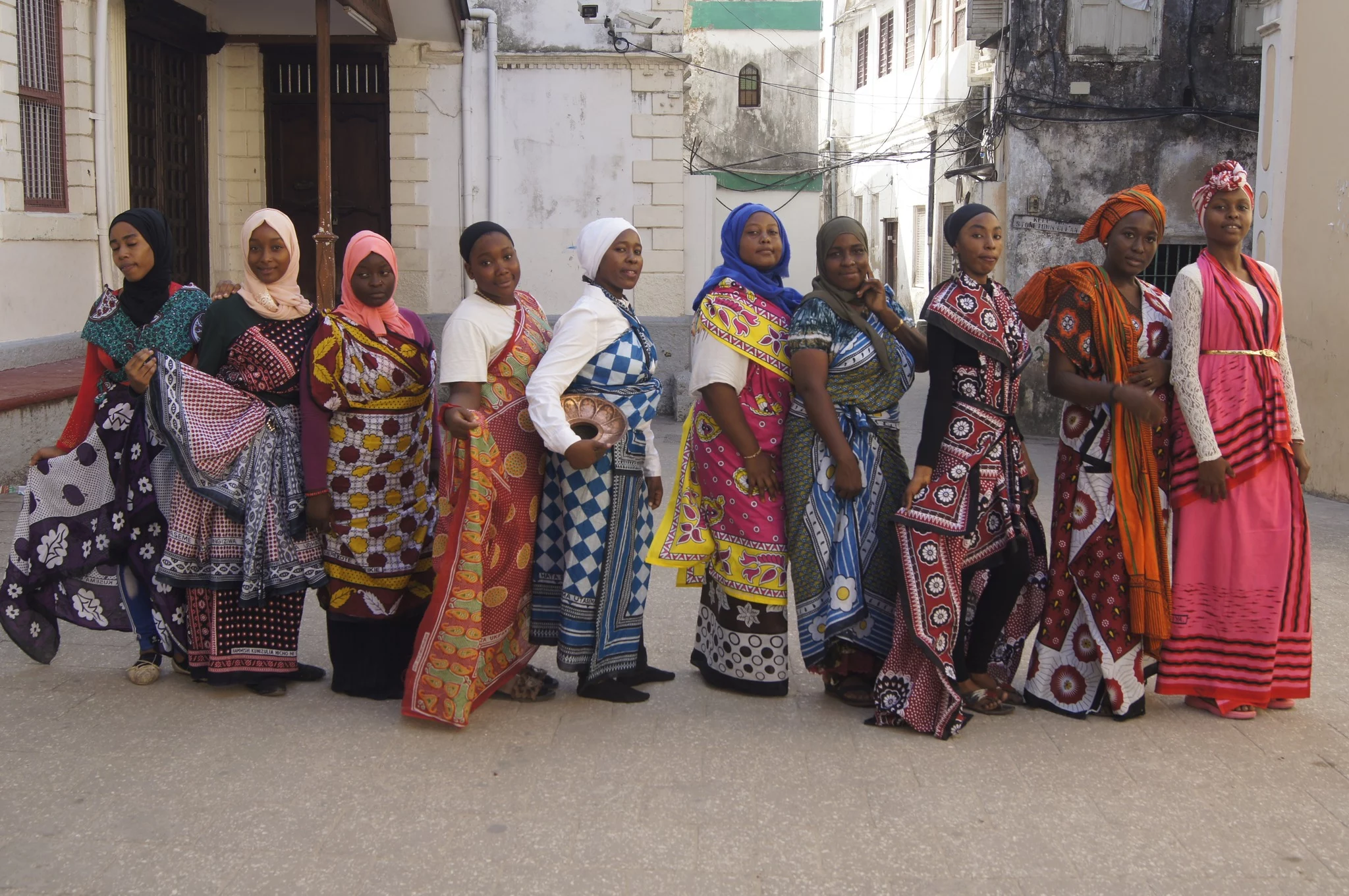
In Zanzibar, the UNESCO-TUI partnership will support sustainable cultural tourism in and around the UNESCO World Heritage-listed Stone Town. The initiative aims to strengthen the link between cultural and tourism, empowering young people, women and cultural practitioners through skills development, creative entrepreneurship, heritage promotion and the advancement of heritage-based tourism initiatives.
Through activities including Forodhani Culture Nights, Zanzibar Your Creative Markets, Youth Heritage Ambassadors, and traditional expressions such as Taarab music, the project will promote Zanzibar’s rich living heritage whilst creating new opportunities for local communities to participate in and benefit from responsible and inclusive tourism development.
Julien Pellaux, Director of Partnerships at UNESCO, states: “Sustainable tourism must benefit the communities who safeguard our World Heritage and sustain its living traditions. This partnership is about working with the private sector to shape tourism more responsibly – ensuring that economic activity supports heritage protection and translates into meaningful opportunities for local communities. Together, we are helping define a more balanced and sustainable model of tourism for present and future generations.”
Alexander Panczuk, Managing Director of the TUI Care Foundation, says: “Cultural heritage visits are a key reason to travel – and tourism can play a vital role in preserving unique cultural heritage in destinations around the world. Yet many communities face increasing pressure to preserve traditions and ensure that tourism benefits local people sustainably. Through our partnership with UNESCO, the TUI Care Foundation is supporting innovative approaches that connect heritage preservation with economic opportunities for local communities – particularly for young people, women, artists and artisans. Together, these projects underline how tourism can be a powerful force for cultural preservation, community empowerment and sustainable development.”
Alongside the two destination projects, UNESCO and the TUI Care Foundation will also strengthen international dialogue and collaboration around sustainable tourism in UNESCO destinations worldwide. The initiative supports international knowledge exchange, strategic events and communication activities to facilitate a movement of tourism stakeholders, heritage experts, development organisations and private sector partners to promote responsible and inclusive tourism practices.
About the TUI Care Foundation
Building on the potential of tourism as a force for good, the TUI Care Foundation supports and initiates projects which create new opportunities and contribute to thriving communities in tourism destinations all over the world. Connecting holidaymakers to good causes, it supports education and training opportunities for young people; drives the protection of natural habitats and the marine environment; and helps local communities to thrive sustainably and benefit from tourism. The TUI Care Foundation builds on strong partnerships with local and international organisations to create meaningful and long-lasting impact. The independent charitable organisation was founded by TUI, one of the world’s leading tourism businesses, and is based in the Netherlands.
About UNESCO
With 194 Member States, the United Nations Educational, Scientific and Cultural Organization contributes to peace and security by leading multilateral cooperation on education, science, culture, communication and information. Headquartered in Paris, UNESCO has offices in 54 countries and employs over 2300 people. UNESCO oversees more than 2000 World Heritage sites, Biosphere Reserves and Global Geoparks; networks of Creative, Learning, Inclusive and Sustainable Cities; and over 13 000 associated schools, university chairs, training and research institutions, with a global network of 200 National Commissions. Its Director-General is Khaled El-Enany.
“Since wars begin in the minds of women and men, it is in the minds of women and men that the defences of peace must be constructed” – UNESCO Constitution, 1945.


Head of Programme Management and External Communications
Manuel Ferreira