


TUI Junior Academy The Gambia
In The Gambia, climate change is impacting the environment – rivers are shrinking, forests disappearing and fields turning dry from climate change. Yet school children, who are important custodians of our plane,t are rarely taught about climate change, or how they can respond. Environmental education is often missing from the national curriculum, and teachers lack training to deliver climate topics, with only a few scattered initiatives reaching school students.
TUI Junior Academy The Gambia focuses on this gap through hands-on climate action. 300 students across 30 schools join regional bootcamps blending interactive sessions on deforestation, sustainable farming and waste management with excursions to places such as Tanji Bird Reserve and Kiang West National Park. In addition, 30 teachers receive dedicated training to integrate environmental education into daily lessons and further support youth leadership addressing the issue.
The project also indirectly supports 7,500 additional students through strengthened green clubs and the practical projects funded in each participating school with 200 women across four adjacent communities also joining climate storytelling powered by Green-Up’s solar films.
TUI Junior Academy The Gambia addresses a pressing gap: most schoolchildren grow up seeing the effects of climate change without ever receiving structured, curriculum-linked education that helps them identify and understand these changes or respond to them.
In The Gambia, climate change is already visible in more erratic rainfall, frequent droughts, soil degradation, coastal erosion and flooding. Yet environmental and climate topics are still not fully integrated into the national curriculum, and many schools rely on occasional green clubs or external campaigns that reach only a limited number of students for short periods. This means that a generation that may live its entire life under intensifying climate pressure is leaving school without the knowledge, skills and attitudes needed to adapt, protect local ecosystems or seize opportunities in emerging green and sustainable sectors. TUI Junior Academy The Gambia tackles this issue through a set of strategies which put children, teachers and communities at the centre of climate learning and action.
Working closely with government bodies, it engages with schools across six regions, ensuring geographic balance and institutional ownership from the start. In each school, ten students aged 10 to 15 and one teacher coordinator are nominated to join three-day regional bootcamps, creating a core team that act as multipliers back in their schools. Designed as immersive, interactive experiences, students explore climate change, forests, biodiversity, water and waste through games, group work, storytelling and hands-on exercises that connect global concepts with local realities such as failing crops, deforestation and plastic pollution. Each bootcamp also includes an excursion to a key natural site, such as Tanji Bird Reserve, Abuko Nature Reserve or Kiang West National Park, where students and teachers experience the ecosystems, species and landscapes that are at stake, guided by experts who help them link what they see to climate science and conservation.
Building teacher capacity is essential to ensuring that environmental education continues beyond one-off events. 30 teacher coordinators (one per participating school) take part in a Train the Trainer event focused on climate change knowledge, as well as practical tools and teaching methods for integrating environmental themes into regular teaching. They learn age-appropriate methods for explaining complex topics, practice facilitating discussions and student-led projects, and co-develop lesson ideas and activity plans that can be embedded into science, social studies and other subjects.
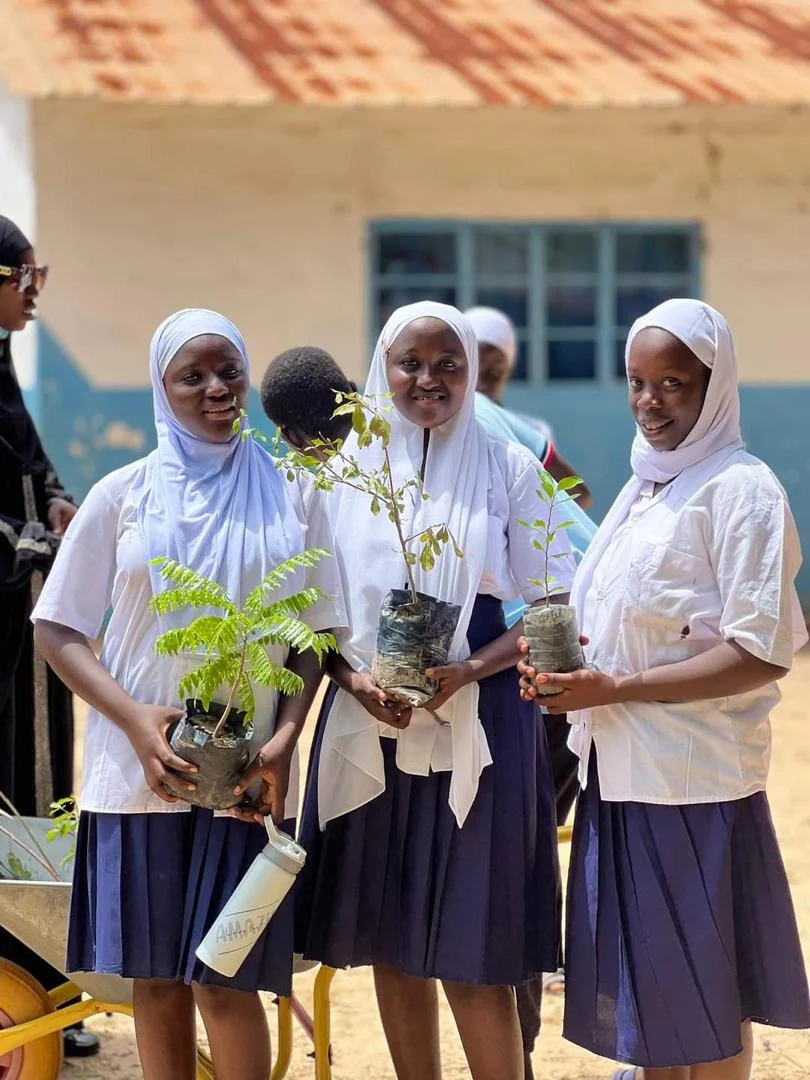
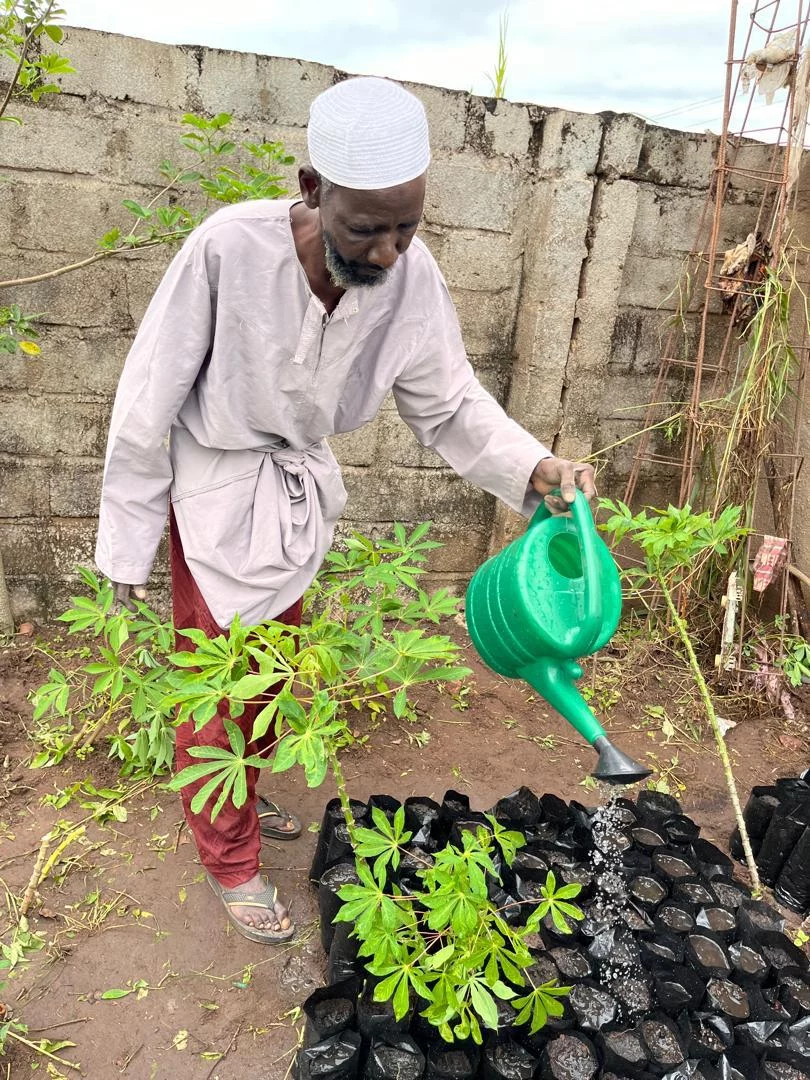
Schools turn into demonstration sites for practical climate action: each of the participating schools receive a small grant to implement an environmental project co-designed by the teachers and the students, with options such as tree nurseries and school gardens. These projects offer daily, hands-on opportunities for students to apply what they learnt at the bootcamps, share it with classmates, and see visible results in greener school grounds and cleaner surroundings.
TUI Academy The Gambia also focuses on awareness and engagement with the wider community, especially amongst women, who often manage household resources and support farming activities. In four communities with participating schools, outdoor dialogues and storytelling sessions are organised, bringing together participants to explore their experiences of climate impacts and to discuss adaptation and mitigation options. Audio-visual climate stories, shown using a solar-powered mobile van, help participants connect local issues such as crop losses or water shortages to broader climate trends and provide a space for discussing practical changes in everyday life. Alongside tree planting and green clubs, these community events build social support for the school-based projects, encourage families to reinforce positive behaviours and create a feedback loop in which children and adults learn from each other.
Overall, three hundred students from thirty schools directly benefit from increased access to environmental education through six regional bootcamps and corresponding excursions. In addition, around 7,500 additional students benefit from follow-up activities and peer learning. Thirty teachers, including a minimum of 15 women, are trained in environmental education and facilitation through a dedicated workshop, equipping them to integrate climate topics into lessons, support green clubs and sustain environmental initiatives in their schools. More supportive school environments are created for climate learning and ensure that the knowledge and methods introduced by the project continue to be used with new student cohorts in the future.

Project Partner
Green-Up Gambia is a youth-led environmental organisation founded in 2016 and based in Banjul, working at the intersection of climate action, sustainable development, and community-driven conservation. Through initiatives such as the One Million Trees Campaign, aligned with the African Union’s Great Green Wall, the organisation has planted over 140,000 trees, restored approximately 28 hectares of degraded land, and engaged more than 5,000 students through school green clubs and environmental programmes. Its work also links ecological restoration with cultural heritage and social memory.